

Fall wildlife intrusion often begins with subtle signs like scratching sounds, odors, droppings, or damage around rooflines and vents. Early inspection, humane removal, exclusion, cleanup, and repairs can prevent animals from settling in and causing more extensive damage over winter.
There is a specific sound Michigan homeowners start hearing around this time of year. It is faint at first, usually right at dawn or just after dark. A scratch here, a soft thump there, coming from somewhere above the ceiling. Most people brush it off for a week or two before they start wondering if something moved in without an invitation.
That instinct is usually right. As temperatures drop across Shelby Township, Rochester, and the rest of southeast Michigan, wildlife starts looking at homes differently. An attic is not just shelter anymore. It is warm, dry, and safer than anything the woods can offer. Knowing what to look for now, before winter fully sets in, is the difference between a quick fix and a much bigger repair.
Wildlife does not choose a home at random. As food sources shrink and nighttime temperatures drop, animals go looking for enclosed, insulated spaces that mimic a natural den. Attics, soffits, chimneys, and crawlspaces check every box. They are dry, hidden from predators, and often easier to access than most homeowners realize.
Fall and spring are the two peak seasons for wildlife intrusion in Michigan. Spring is about raising young. Fall is about survival. Once an animal finds a reliable entry point, it tends to return to that same spot again and again, which is why early detection matters so much.
Southeast Michigan sees a fairly consistent lineup of fall intruders. Each one has its own habits and warning signs, but they all share the same goal: finding shelter before winter arrives.
Raccoons in particular are one of the more destructive fall visitors we see across Shelby Township and Rochester. They are strong enough to tear open weakened soffits and persistent enough to keep working at a weak spot until it gives. Squirrels tend to be more subtle, but they cause just as much damage over time by shredding insulation for bedding.
Bats deserve special mention because of how differently they need to be handled. A single bat roosting in an attic is a different situation than a bat that ends up loose inside a living space, which Michigan wildlife professionals treat as a more urgent scenario.
By the time you hear consistent noise, an animal has usually already settled in. Scratching, thumping, or scurrying sounds concentrated in one area of the attic are the clearest signal. Timing matters too. Raccoons tend to be active at night, while squirrels are more noticeable at dawn and dusk.
A single scratch here or there might be nothing. Repeated noise from the same spot over several days is not. Pay attention to when the sound happens, since timing often points to the species. Nighttime activity leans toward raccoons or bats, while dawn and dusk noise is more typical of squirrels settling in for the day.
Most intrusions start with a small structural weakness that grows over time. A quick walk around your home's exterior can reveal a lot before you ever set foot in the attic.
Odor is one of the most reliable indicators homeowners overlook. A musty or ammonia-like smell in an upstairs room, especially one that gets worse over time, often points to accumulated droppings or urine. Ceiling stains that were not there last season are another red flag, particularly if they appear without any recent rain or roof leak.
Matted or discolored insulation, visible through an attic hatch, usually means an animal has already made itself comfortable. If you notice the smell more on one side of the house, that can help narrow down where the activity is concentrated. It is a small detail, but it often saves time once an inspection begins.
Quick signs to check this week:
A proper wildlife inspection starts with identifying exactly what got in, where, and how long it has likely been there. This includes checking the roofline, vents, soffits, chimney, and attic interior for entry points and nesting activity. Guessing at the source almost always leads to repeat problems.
A thorough inspection also looks for secondary entry points, not just the obvious one. Animals rarely rely on a single access spot once they have settled in, especially if a family group is involved. Missing a second gap is one of the most common reasons homeowners deal with a repeat intrusion just weeks after thinking the problem was solved.
Once the entry points and species are confirmed, the next step is removal and permanent exclusion. This is different from simply sealing a hole, which can trap an animal inside and create a worse problem. Effective exclusion accounts for the animal's behavior and makes sure it cannot return through the same gap or a new one nearby.
DIY sealing is one of the most common mistakes homeowners make. Without an inspection first, it often traps animals inside or misses secondary entry points entirely. Trapped animals will often cause far more damage trying to get back out than they did getting in, and the result is usually a worse situation than the one you started with.
Removal is only part of the job. Contaminated insulation typically needs to be replaced, affected areas sanitized, and any structural damage repaired properly. This is where a full-process approach matters. Handling the wildlife issue and the resulting repair under one roof means nothing gets missed between the two.
Homeowners often assume the job is finished once the animal is gone, but that is usually when the real work starts. Chewed framing, damaged soffits, and compromised insulation all need attention before winter weather adds another layer of complication. Addressing it all at once, rather than piecing it together with separate contractors, tends to save both time and money.
Myth vs. Fact:
Most wildlife intrusions do not start as emergencies. They start as a sound someone almost ignored, or a smell someone chalked up to the changing seasons. Catching it in early fall, before an animal fully settles in for winter, is almost always simpler and less costly than dealing with it in January.
If any of this sounds familiar, the smartest move is getting a professional opinion before winter makes everything harder to access and repair.
You do not need to be certain something is inside to have it checked. A free inspection takes the guesswork out of it and gives you a clear answer either way. If wildlife has already moved in, Titus Contracting Group handles the removal, exclusion, and repair from start to finish, so you are not coordinating multiple companies during the coldest months of the year.
Reach out today and let's get ahead of it before the temperatures drop any further.
📞 (586) 610-8608 🔗 tituscontractinggroup.com 📷 Instagram: @titusrestorationgroup
Discover the latest strategies for effective water damage restoration and how our 24/7 emergency response can safeguard your home.
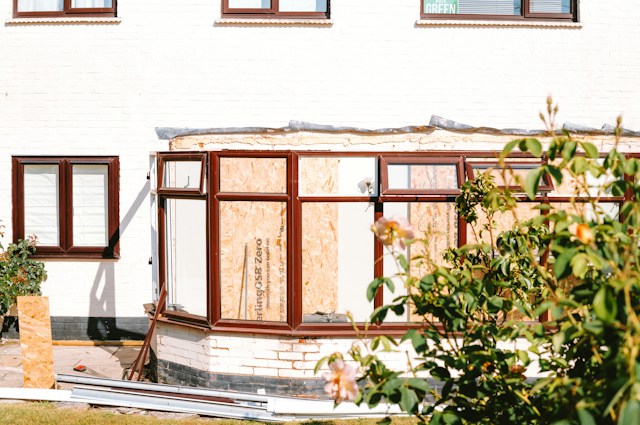
Delaying summer storm damage repairs into fall can allow minor roof, siding, gutter, and moisture problems to spread into more extensive damage. Addressing storm damage before winter can reduce repair costs, simplify insurance documentation, and protect the home from freeze-thaw conditions.
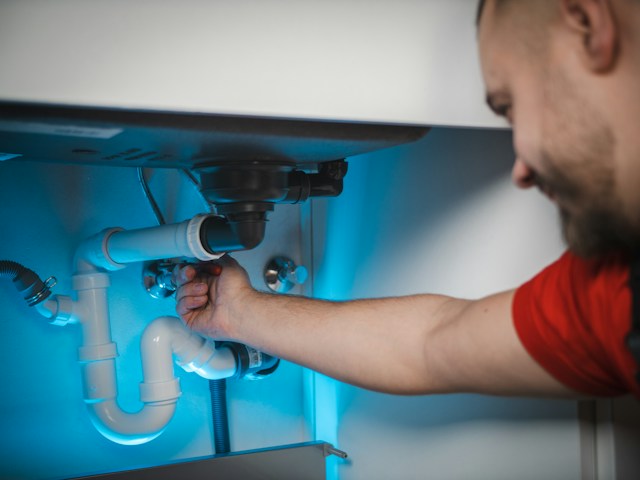
Michigan’s first freeze can expose hidden plumbing and foundation vulnerabilities, including uninsulated pipes, drainage problems, and existing cracks. Preparing these areas before temperatures drop can help prevent burst pipes, moisture intrusion, and costly winter damage.
.jpg)
A fall home inspection can uncover roof, gutter, foundation, plumbing, attic, and wildlife issues before Michigan’s winter weather makes them worse. Addressing small problems before freezing temperatures arrive can help prevent water damage, frozen pipes, structural concerns, and costly repairs.
