

June is one of the busiest months for wildlife activity in Michigan as raccoons, squirrels, birds, and bats search for safe places to raise their young. Homes often provide ideal shelter, leading to property damage, contamination, insulation destruction, and costly repairs if issues go unnoticed. Early inspection, humane exclusion, and proactive repairs can help prevent minor wildlife intrusions from becoming major restoration projects.
June has a way of lulling Michigan homeowners into a false sense of calm. The snow is gone, the roof made it through another winter, and the worst of spring storm season seems to be behind us. It feels like a good time to take a breath before summer really gets going.
But while you're enjoying the warmer weather, something else is happening. Across Oakland and Macomb County, raccoons are raising their young. Squirrels are on their second litter cycle. Bats are nursing pups in the dark corners of attics. And all of these animals are looking for the same thing: a safe, dry, sheltered space to raise their families. For a lot of them, that space is your home.
We've seen it play out the same way dozens of times. A homeowner hears a scratching sound at night, figures it's probably just squirrels on the roof, and decides to wait it out. A few weeks later, they find torn insulation, compromised wiring, or a spreading stain on the ceiling. By that point, what started as an entry point issue has turned into a full-scale cleanup and restoration job. June is not the month to take a wait-and-see approach.
Raccoons are the most destructive wildlife threat to Michigan homes, and June is when that threat is at its highest. A mother raccoon with kits is not going to be deterred by noise or minor obstacles. She will tear through roof edges, rip back soffit panels, and push through damaged fascia boards to get to a space that feels secure.
Common raccoon nesting spots include:
Raccoon baby season also complicates removal. If a mother is excluded before the kits can move on their own, the young are left behind, and the resulting situation is far more difficult to resolve.
Squirrels are quieter than raccoons but no less damaging over time. They chew constantly, not because they're hungry, but because their teeth never stop growing. That means wiring, insulation, and wooden structural members are all fair targets once a squirrel has established a nest in your attic.
Watch for:
June's second litter cycle keeps squirrel activity elevated well into late summer, so this is not a problem that naturally resolves on its own.
Starlings and house sparrows are the two species homeowners deal with most often in Michigan. Both are non-native, highly adaptable, and drawn to the same structural gaps that attract other wildlife. They pack nesting material into dryer vents, bathroom exhaust vents, and chimney flues, creating blockages that are both a health risk and a fire hazard.
If you've noticed reduced airflow from an exhaust vent or an unusual smell coming from your fireplace, it's worth having it checked. Bird nests inside ventilation systems are more common than most homeowners expect.
Bats are a special case, and they require careful handling. Michigan is home to several bat species, and a number of them are protected under state and federal wildlife regulations. June falls squarely within the maternity season, meaning bat pups have been born but cannot yet fly. Exclusion work during this window is restricted by law in many situations, because sealing an entry point with pups inside can trap and kill them.
Common bat entry points include:
If you suspect bats, document what you're seeing and call a professional before doing anything else. The timing of exclusion work matters legally and practically.
This is where a lot of DIY attempts run into serious problems. Wildlife removal and exclusion isn't just about getting the animal out. It's about making sure every animal is out, understanding whether young are present, complying with Michigan wildlife regulations, and then sealing the home in a way that actually holds.
A few things that matter here:
Once the animals are out and the entry points are properly sealed and repaired, the goal shifts to making sure June doesn't become a recurring problem. A few practical steps make a significant difference:
Most homeowners don't call us the moment they hear the first sound. They wait a few days to see if it goes away. They look up how to handle it themselves. They wonder if maybe it was just something on the roof. We understand that instinct. Nobody wants to deal with a wildlife problem.
But wildlife damage compounds fast. What starts as one animal using one entry point can become an established colony within weeks. The insulation that was in good shape when the season started gets torn apart. The wiring that was fine gets chewed. The moisture from nesting materials starts to work into the wood. And then the mold finds its footing.
If you've been hearing something in your attic, finding damage along your roofline, or just want to know what kind of shape your home is in heading into summer, we're here to help. At Titus Contracting Group, we handle the full scope of wildlife damage: inspection, humane exclusion, structural repair, insulation replacement, decontamination, and cleanup. You don't have to coordinate multiple contractors. We handle it from the first call to the final walkthrough.
We offer free inspections across Shelby Township, Auburn Hills, Rochester, Orion Township, and the surrounding communities. Our team is available 24/7 for emergency situations, and we'll give you a straight answer about what we find and what it takes to fix it.
Don't wait for a scratching sound to turn into a full attic restoration. Call us or visit our website to schedule your free inspection today.
Discover the latest strategies for effective water damage restoration and how our 24/7 emergency response can safeguard your home.
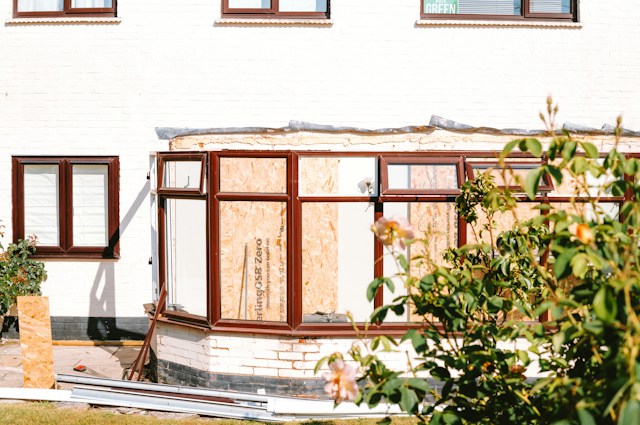
Delaying summer storm damage repairs into fall can allow minor roof, siding, gutter, and moisture problems to spread into more extensive damage. Addressing storm damage before winter can reduce repair costs, simplify insurance documentation, and protect the home from freeze-thaw conditions.
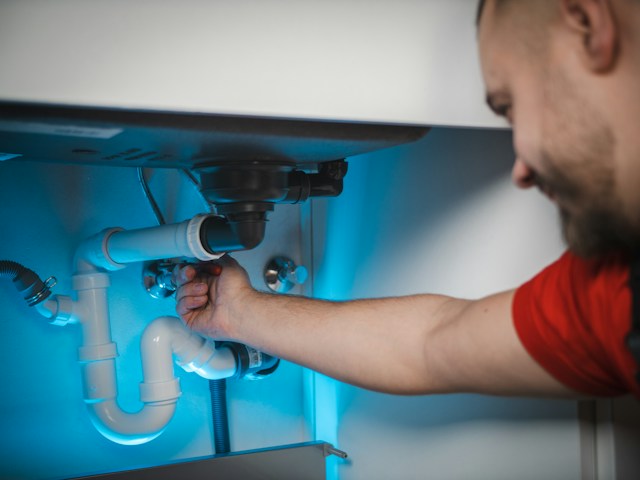
Michigan’s first freeze can expose hidden plumbing and foundation vulnerabilities, including uninsulated pipes, drainage problems, and existing cracks. Preparing these areas before temperatures drop can help prevent burst pipes, moisture intrusion, and costly winter damage.
.jpg)
A fall home inspection can uncover roof, gutter, foundation, plumbing, attic, and wildlife issues before Michigan’s winter weather makes them worse. Addressing small problems before freezing temperatures arrive can help prevent water damage, frozen pipes, structural concerns, and costly repairs.
