
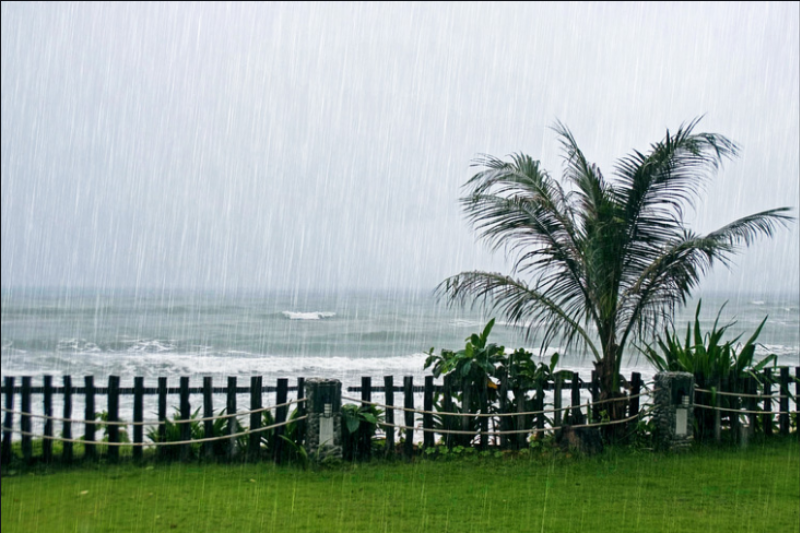
Many homeowners make costly mistakes after storm damage by delaying claims, cleaning up before documenting damage, or relying solely on an insurance adjuster’s initial assessment. Hidden issues like moisture intrusion, mold growth, and structural damage are often missed when inspections and documentation are incomplete. Understanding the claims process and working with an experienced restoration contractor can help homeowners protect their property and maximize insurance coverage.
Most Michigan homeowners don't spend much time thinking about the insurance claim process — until they're standing in front of storm damage, trying to figure out what to do next. The storm has passed, the damage is visible, and suddenly there's a process to navigate that most people have never dealt with before. That's exactly when costly mistakes get made.
The hard truth is that a significant amount of recoverable money gets left on the table after storm events — not because of bad policies, but because of avoidable errors made in the first hours and days after damage occurs. The claim process has real timelines, real documentation requirements, and real consequences for homeowners who don't know the rules going in.
Most homeowner insurance policies require damage to be reported promptly — and while that word sounds flexible, the practical implications are not. Waiting several days or longer to file a claim creates a documentation problem that works against the homeowner from the start.
When damage is reported late, insurers look more carefully at whether the loss is attributable to the storm event or to pre-existing conditions, deferred maintenance, or gradual deterioration. The longer the gap between the storm and the report, the easier that argument becomes for an adjuster to make.
You do not need a complete damage assessment before making the first call to your insurer. The initial report opens the claim and establishes the date. It does not lock you into a final scope. Call as soon as the damage is discovered, even if your only information is that the storm caused visible damage to the roof or structure. The details follow — but the clock starts when you call.
The natural response to storm damage is to start cleaning up and securing the home. That instinct is understandable — and partially correct. Reasonable mitigation is not only acceptable, it's expected by most policies. But there is a critical sequence that homeowners frequently get wrong: cleanup before documentation.
Once debris is cleared, materials are moved, and damaged items are removed from the property, the original scope of damage becomes much harder to prove. An adjuster arriving after cleanup sees a tidied space rather than the evidence of what the storm actually did.
Before anything is moved, removed, or repaired, document thoroughly:
An insurance adjuster's job is to assess damage on behalf of the insurer. That is not the same as advocating for the full scope of what the storm did to your home. Adjusters work within guidelines, time constraints, and coverage interpretations that don't always produce a complete picture — particularly for damage that isn't immediately visible.
After a significant storm event, contractors start appearing quickly. Some are local, established, and legitimate. Others are storm chasers — out-of-state crews that follow severe weather, work fast, collect payment, and are gone before any issues surface. They typically offer low prices, push for quick signatures, and have no local accountability.
Beyond storm chasers, there is a more common and less obvious problem: homeowners hiring general contractors for restoration work. A general contractor can perform repairs. What they typically cannot do is document damage in the format that supports an insurance claim, advocate for a complete scope with the insurer, or assess hidden moisture and structural damage that needs to be part of the claim.
Two of the most important letters in a homeowner insurance policy are ACV and RCV. Actual Cash Value policies pay the depreciated value of damaged materials — what they're worth today, not what it costs to replace them. Replacement Cost Value policies cover the actual cost of replacement. The difference on a significant roof or structural claim can run into thousands of dollars.
Visible damage is rarely the complete story after a Michigan storm. The surface damage — missing shingles, broken windows, damaged siding — is what gets documented. What frequently gets missed:
A claim that covers only visible damage produces a settlement that covers only visible repairs. When hidden damage surfaces weeks or months later — as it almost always does — the homeowner is left trying to file a supplemental claim or paying out of pocket for damage that should have been included from the start.
The insurance claim process involves policy interpretation, damage documentation, scope development, adjuster negotiations, and often supplemental filings. It is a process that insurance companies manage every day. Most homeowners encounter it once or twice in a lifetime.
Working with a restoration contractor experienced in insurance claims means:
The difference between a well-handled storm insurance claim and a poorly handled one often comes down to what happens in the first 24 to 48 hours — and who the homeowner has in their corner when it does. Filing promptly, documenting thoroughly, understanding the policy, and working with the right contractor are not complicated steps. They are just steps that most people don't know to take until after they've already made a mistake.
Titus Contracting Group serves homeowners across Shelby Township, Rochester, Auburn Hills, Orion Township, and the surrounding Michigan communities. We offer free inspections, 24/7 emergency response, and hands-on insurance claim assistance from the first call through the final walkthrough.
Discover the latest strategies for effective water damage restoration and how our 24/7 emergency response can safeguard your home.
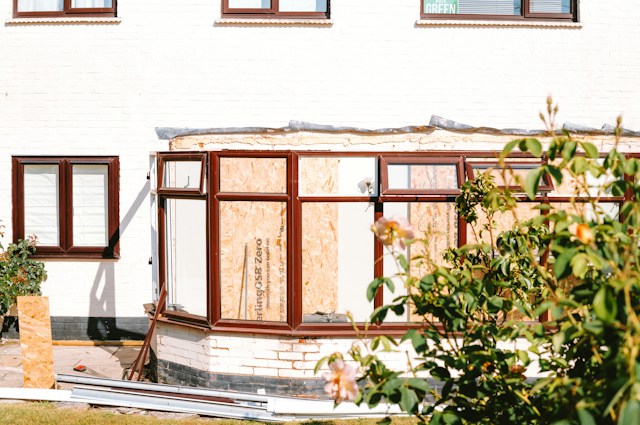
Delaying summer storm damage repairs into fall can allow minor roof, siding, gutter, and moisture problems to spread into more extensive damage. Addressing storm damage before winter can reduce repair costs, simplify insurance documentation, and protect the home from freeze-thaw conditions.
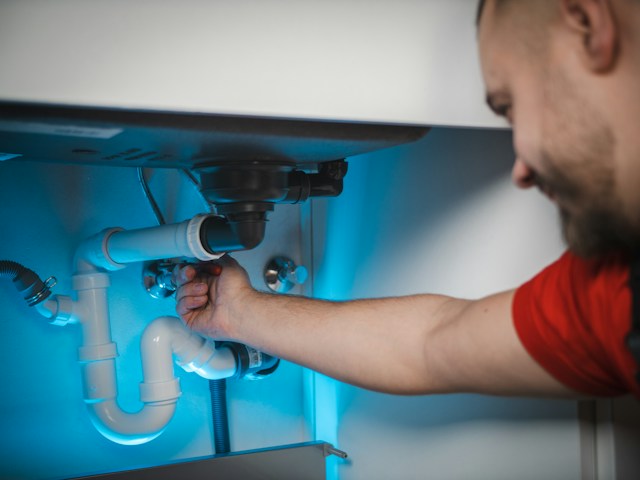
Michigan’s first freeze can expose hidden plumbing and foundation vulnerabilities, including uninsulated pipes, drainage problems, and existing cracks. Preparing these areas before temperatures drop can help prevent burst pipes, moisture intrusion, and costly winter damage.
.jpg)
A fall home inspection can uncover roof, gutter, foundation, plumbing, attic, and wildlife issues before Michigan’s winter weather makes them worse. Addressing small problems before freezing temperatures arrive can help prevent water damage, frozen pipes, structural concerns, and costly repairs.
