
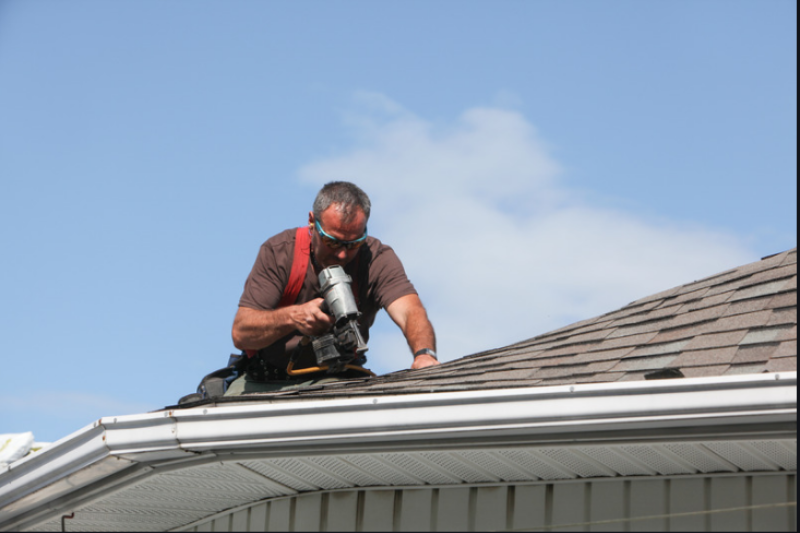
Winter weather can leave behind hidden roof vulnerabilities that become exposed during Michigan’s high-wind spring storms. Issues like weakened shingles, damaged flashing, and compromised edges can quickly lead to water intrusion and structural damage. Early inspections and timely repairs are essential to ensure your roof can withstand severe weather conditions.
Michigan winters are hard on roofs. Months of freeze-thaw cycling, ice dam formation, heavy snow loads, and sustained cold work on shingles, flashing, and decking in ways that aren't always visible from the ground. By the time March arrives, most roofs have been through significant stress without a single inspection to account for what that stress may have caused.
Southeast Michigan's spring weather pattern brings sustained high winds, heavy rain, and hail events that test every part of a roof's condition. A roof that held together through winter without producing an obvious leak is not necessarily a roof that is ready for what spring delivers. In many cases, winter creates the vulnerabilities and spring storms expose them, sometimes in the middle of a weather event when there is nothing to do but manage the consequences.
Knowing where your roof stands before the next storm arrives is always a better position than finding out during one.
Winter weather and spring storms are fundamentally different in the type of stress they apply to a roof. Winter loads are largely static: snow weight, ice pressure, and sustained cold. Spring storms are dynamic. Wind, wind-driven rain, hail, and airborne debris all act on the roof surface simultaneously and in ways that probe for weaknesses rather than simply applying uniform pressure.
Wind creates uplift force at the roof edges and rakes, attempting to peel shingles away from the decking. Wind-driven rain finds every gap, lifted edge, and compromised seal that dry conditions would never expose. Hail impacts weaken shingle surfaces and dislodge granules that protect the asphalt layer beneath. Debris carried by storm winds strikes the roof surface at speeds that can crack shingles, damage flashing, and puncture underlayment.
A shingle that has been through repeated freeze-thaw cycles has lost some of its flexibility and adhesion. Flashing that was stressed by ice dam formation may have lifted slightly at its edges. Underlayment that absorbed moisture during a winter leak event is compromised at those locations even if the surface above it looks intact.
None of those conditions necessarily produces a problem under normal circumstances. But spring storm conditions are not normal circumstances. Wind uplift finds lifted shingle edges. Rain finds compromised flashing. And a roof that was borderline adequate heading into the season can fail under storm loading in a way that a roof in good condition would not.
One of the consistent patterns in spring storm damage Michigan restoration work involves is the gap between what is visible immediately after a storm and what becomes apparent in the days and weeks that follow. Some damage is obvious: missing shingles, damaged gutters, visible debris impact on the roof surface.
Other damage is not. Wind-lifted shingles that reseal themselves after the storm. Flashing that shifted just enough to allow water intrusion under the right rain conditions. Underlayment that was breached but hasn't yet allowed enough moisture through to produce an interior stain. These are the damage types that homeowners miss because the roof looks acceptable from the ground the day after the storm, and the consequences don't appear until the next rain event or the one after that.
Asphalt shingles expand and contract with temperature changes, and Michigan winters subject them to that cycle repeatedly over the course of several months. The cumulative effect is shingles that have lifted at their edges, developed hairline cracks across the surface, or lost significant granule coverage in areas where the asphalt has been stressed.
Granule loss is worth specific attention as a pre-storm vulnerability. The granules embedded in asphalt shingles serve as the primary UV and impact protection layer for the asphalt beneath. Shingles that have lost significant granule coverage are both more susceptible to hail impact damage during a spring storm and more likely to deteriorate rapidly once that protection layer is compromised.
Ice dams that formed during winter may have melted and disappeared by the time spring storm season arrives, but the damage they caused does not disappear with them. Water that backed up behind an ice dam and forced its way under shingles saturated the underlayment and decking at those locations. That moisture may have partially dried as temperatures rose, but wood decking that has been wet repeatedly loses structural integrity and is more susceptible to further damage.
Underlayment that was saturated and then dried is also compromised. Its ability to resist water intrusion is reduced at the locations where it was stressed, meaning a spring rain event hitting those areas has a clearer path to the interior than it would on an undamaged roof.
The fascia and soffit at the roof edge are the first line of defense against wind intrusion at the roofline. Fascia that has been softened by moisture from overflowing gutters or ice dam runoff no longer holds the gutter and drip edge securely. Soffit panels that have cracked, warped, or pulled away from their framing create openings where wind-driven rain can enter the attic space directly.
These are damage points that are easy to overlook because they sit at the edge of the roof rather than on the surface, and they don't produce interior symptoms on their own until wind and rain create the right conditions to push moisture through them.
Wind damage to a roof is not simply a matter of wind blowing shingles off. The mechanism is more specific than that, and understanding it helps explain why some areas of a roof are more vulnerable than others and why damage can occur at wind speeds lower than most homeowners would expect.
Wind creates positive pressure on the windward face of a structure and negative pressure, or uplift, on the leeward face and roof surface. That uplift force acts against the shingle adhesion and fasteners holding the roof assembly together. At the roof edges, rakes, and ridgeline, where the geometry of the roof creates concentrated uplift zones, the force is highest. These are the areas where shingles fail first and where wind intrusion begins.
Michigan spring storms regularly produce sustained winds in the 40 to 60 mile per hour range, with gusts during severe events exceeding that significantly. Most roofing systems are rated to handle wind speeds in that range under normal conditions. The operative phrase is normal conditions.
A shingle that has lost adhesion from freeze-thaw cycling, a flashing that has lifted at its edge from ice expansion, or a fascia that has softened and can no longer hold the drip edge securely are not normal conditions. Each of those pre-existing vulnerabilities lowers the effective wind resistance of the roof below its rated capacity. A storm that a sound roof would handle without issue becomes a storm damage event on a roof that arrived at spring in compromised condition.
High winds during spring storms carry debris that acts as a secondary damage source independent of the wind itself. Branches from trees that didn't survive winter intact, hail ranging from small pellets to golf ball size in severe events, and miscellaneous material lifted and carried by storm winds all strike roof surfaces with enough force to crack shingles, damage flashing, and in significant impact events, puncture through to the decking below.
Hail damage deserves specific attention because its effects are not always immediately obvious. Hail impact bruises the shingle surface and dislodges granules at the impact point, but the shingle may remain in place and appear intact from a ground-level view. The damage reveals itself over the following months as the unprotected asphalt at impact points deteriorates rapidly and the shingle begins to fail from those locations outward.
Michigan spring storm season does not offer much spacing between events. A significant wind and rain event in late April is often followed by another in May, and the roofs most likely to sustain progressive damage are the ones where existing vulnerabilities from a previous storm were never identified or addressed.
Titus Contracting Group serves homeowners across Shelby Township, Rochester, Auburn Hills, Orion Township, and the surrounding Michigan communities with free inspections, 24/7 emergency response, and full storm damage restoration from roof to interior. If your home went through a spring storm recently and you haven't had a professional look at the roof since, now is the right time.
Discover the latest strategies for effective water damage restoration and how our 24/7 emergency response can safeguard your home.
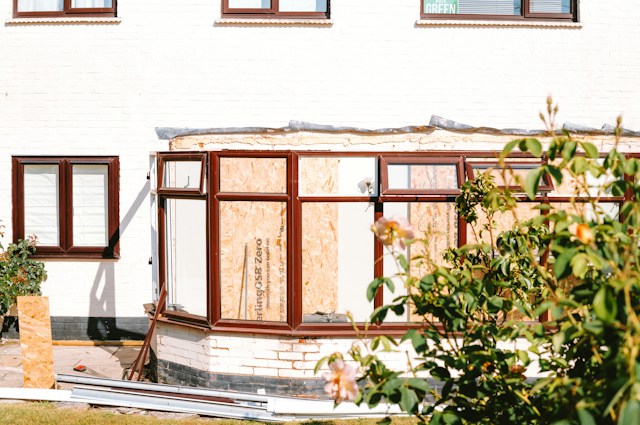
Delaying summer storm damage repairs into fall can allow minor roof, siding, gutter, and moisture problems to spread into more extensive damage. Addressing storm damage before winter can reduce repair costs, simplify insurance documentation, and protect the home from freeze-thaw conditions.

Michigan’s first freeze can expose hidden plumbing and foundation vulnerabilities, including uninsulated pipes, drainage problems, and existing cracks. Preparing these areas before temperatures drop can help prevent burst pipes, moisture intrusion, and costly winter damage.
.jpg)
A fall home inspection can uncover roof, gutter, foundation, plumbing, attic, and wildlife issues before Michigan’s winter weather makes them worse. Addressing small problems before freezing temperatures arrive can help prevent water damage, frozen pipes, structural concerns, and costly repairs.
