

A small, unnoticed water leak can quietly cause mold growth, wood rot, and compromised indoor air quality long before you spot obvious damage. What seems like a minor drip can escalate into structural failures, costly repairs, and even insurance denials if left unaddressed. Early detection and prompt repair not only save you money but also protect your home’s integrity and your family’s health. Don’t wait for a flood—fix leaks as soon as they appear.
It’s just a drip. Maybe it’s coming from the pipe under the sink, the base of the toilet, or that stubborn water stain on the ceiling. You think, “It’s not urgent. I’ll get to it later.”
This is one of the most common—and costly—assumptions homeowners make.
Small water leaks are deceptively dangerous. They often start quietly, tucked away behind a wall, beneath a floorboard, or inside a cabinet. Because there’s no dramatic flood or sudden burst, they rarely trigger immediate concern. But that steady trickle? It’s working 24/7, even when you’re not watching. And if left unchecked, it can lead to a cascade of problems that far exceed a simple plumbing repair.
Worn Plumbing Seals
Over time, the rubber gaskets and seals in faucets, valves, toilets, and pipe joints wear down or crack. A small leak from a deteriorating seal might only release a few drops per hour, but over weeks or months, that adds up—and causes real damage.
Dripping Supply Lines Under Sinks or Behind Toilets
Flexible supply lines feeding water to sinks, toilets, and dishwashers are another common source of slow leaks. If a connection loosens or the hose begins to crack, water can begin dripping beneath cabinets or behind walls—out of sight and out of mind until mold, rot, or musty odors appear.
Leaking Appliances
Dishwashers, washing machines, and water heaters are frequent culprits. A small leak around the base of an appliance may not even register as a puddle—especially if your laundry room or utility space is unfinished. But even a slow leak can soak subfloors, wick into drywall, or saturate insulation.
Tiny Roof or Foundation Cracks
In Michigan’s variable climate, freeze-thaw cycles can create small cracks in roofing or foundation slabs. These cracks allow moisture intrusion during rain or snowmelt—and if they aren’t caught early, the slow seepage can damage framing, attract pests, or erode your foundation from underneath.
The danger with small leaks is that they don’t behave like obvious emergencies. There’s no rushing water, no dramatic sound, and sometimes no standing puddle. Instead, the damage happens quietly in:
Even when homeowners do notice signs—like minor condensation, a faint stain, or a small soft spot in the flooring—they’re often dismissed as insignificant. Unfortunately, routine moisture rarely stays “minor” for long. It attracts mold, weakens materials, and almost always leads to more complex and expensive issues if left alone.
It only takes 24 to 48 hours for mold to begin growing in moist conditions. Even a small drip can create the perfect environment behind drywall or under flooring. Mold spores not only damage building materials—they also pose serious health risks, especially to children, the elderly, and anyone with allergies or asthma. Left unchecked, mold can quickly spread through HVAC systems and contaminate the air throughout your entire home.
When drywall gets wet, it starts to soften, swell, and lose integrity. But worse still is what happens to wooden studs, subfloors, and joists when exposed to prolonged moisture. As wood rots, it loses its strength and load-bearing capacity—jeopardizing walls, flooring, and even structural supports. This decay often spreads from one beam or panel to another, causing hidden instability that’s hard to detect without professional inspection.
Insulation that gets wet doesn’t just lose its effectiveness—it becomes a sponge for mold and bacteria. Saturated insulation stays damp far longer than surrounding materials, and because it’s typically hidden in walls, ceilings, or crawlspaces, it’s rarely addressed until musty odors or health symptoms become noticeable. Once contaminated, insulation must be removed and replaced—a costly and time-consuming fix.
Even a slow leak can elevate humidity levels throughout your home. This added moisture in the air can lead to:
What started as a drip under your sink may end up affecting your living room, bedroom, or attic if the moisture isn’t contained and controlled quickly.
When water sits undisturbed—especially in dark, enclosed areas—it doesn’t just feed mold. It also allows for the growth of bacteria and mycotoxins that degrade indoor air quality. Over time, you may notice:
These symptoms often indicate a hidden moisture problem—and may persist until remediation is complete.
One of the most dangerous aspects of long-term leakage is that it weakens the surrounding materials. Eventually, that soft subfloor may collapse under the weight of a bathtub, or a corroded pipe may burst without warning, releasing gallons of water in seconds. What began as a slow drip can turn into a full-blown disaster overnight.
Let’s say your sink has a minor drip that’s leaking into the cabinet base. If caught early, a plumber can likely replace a seal or connector for a modest fee, and a restoration technician can dry the area and apply mold prevention treatment.
But wait too long, and you might be facing:
That $150 repair just became a multi-thousand-dollar remediation project—and that’s before factoring in downtime, furniture removal, or lost use of your kitchen or bathroom.
Most homeowners are surprised to learn that insurance doesn’t always cover water damage—especially when the issue stems from long-term neglect. If your insurer determines that the leak developed gradually and wasn’t addressed in a timely manner, they may deny the claim altogether.
This means you’ll be paying out-of-pocket for:
Early intervention not only reduces the damage—it helps protect your eligibility for coverage.
Water travels farther than most people realize. A leak that begins under the kitchen sink can seep into adjacent cabinets, behind baseboards, and into flooring or drywall several feet away. Once materials are saturated or begin to warp, they often can’t be salvaged.
Waiting means:
In many cases, the cleanup becomes more expensive than the original construction—simply because the damage was allowed to spread.
Moisture doesn’t respect room boundaries. If a leak originates on an upper floor or seeps through a shared wall, it can easily affect multiple rooms or levels of your home. We’ve seen leaks from second-floor bathrooms destroy first-floor ceilings, or basement pipe drips lead to mold growth in HVAC ducts and storage areas.
What begins as a localized problem can turn into a whole-house issue without fast, targeted intervention.
If mold takes hold, remediation isn’t just about scrubbing a surface. It involves:
Each of these steps adds to the total cost—and often requires trained, certified professionals to do the job properly. Homeowners who delay repairs often end up paying more for health and safety assurances than for the water damage itself.
It’s easy to underestimate the impact of a small water leak. A slow drip or a minor damp spot may not seem urgent—but behind the scenes, that moisture is already working against your home. Mold, rot, warped wood, damaged insulation, and contaminated air can all stem from leaks that go unchecked for just a short time.
Whether you’ve just noticed a suspicious odor, seen bubbling paint, or are dealing with a known leak under the sink or in the basement, now is the time to act. Early intervention isn’t just about preventing damage—it’s about protecting your home, your health, and your peace of mind.
At Titus Contracting, we offer 24/7 water damage response to homes across Bruce Township, Rochester, Orion Charter Township, Auburn Hills, Oakland Charter Township, and Shelby Township. Our experienced team knows where leaks hide, how quickly they can escalate, and how to fix the issue from the inside out—fast.
Discover the latest strategies for effective water damage restoration and how our 24/7 emergency response can safeguard your home.
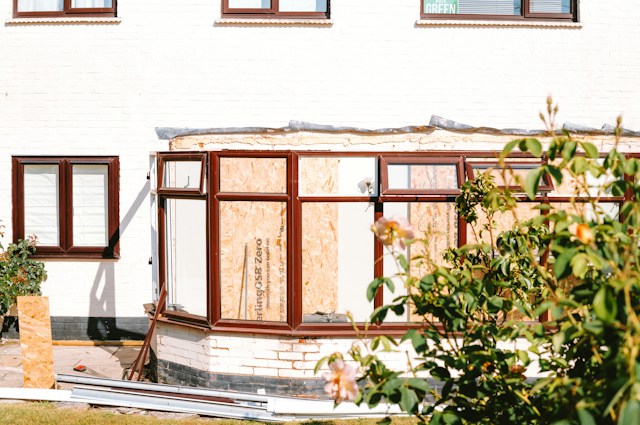
Delaying summer storm damage repairs into fall can allow minor roof, siding, gutter, and moisture problems to spread into more extensive damage. Addressing storm damage before winter can reduce repair costs, simplify insurance documentation, and protect the home from freeze-thaw conditions.
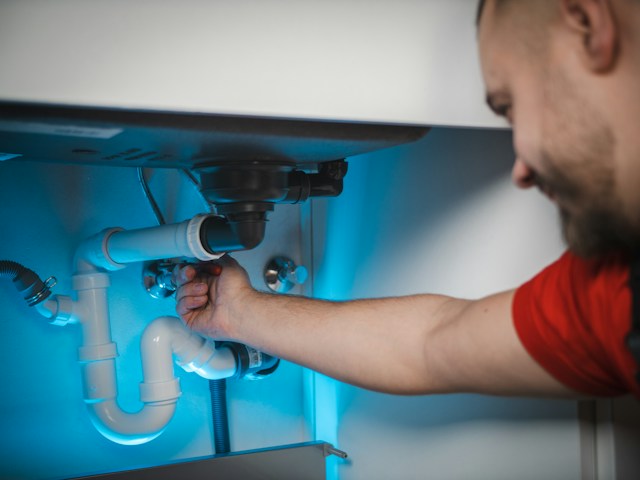
Michigan’s first freeze can expose hidden plumbing and foundation vulnerabilities, including uninsulated pipes, drainage problems, and existing cracks. Preparing these areas before temperatures drop can help prevent burst pipes, moisture intrusion, and costly winter damage.
.jpg)
A fall home inspection can uncover roof, gutter, foundation, plumbing, attic, and wildlife issues before Michigan’s winter weather makes them worse. Addressing small problems before freezing temperatures arrive can help prevent water damage, frozen pipes, structural concerns, and costly repairs.
