Winter water damage hits differently because it rarely stays “in one spot.” With a burst pipe or an ice dam, water usually finds the hidden routes first—behind drywall, above ceilings, inside insulation, and under flooring. You might see a puddle in the hallway, but the real problem could be spreading inside wall cavities or soaking the ceiling layers two rooms over. That’s why winter incidents can feel like they escalate overnight: the water is traveling where you can’t see it.
If you’re in that stressful moment right now, here’s the reassurance we always give homeowners: we handle cold-weather emergencies 24/7 at Titus Contracting, and fast action can dramatically reduce the overall damage. The sooner you stop the source and remove water properly, the more you protect walls, floors, insulation, and the structure underneath.
First Things First: What to Do Immediately
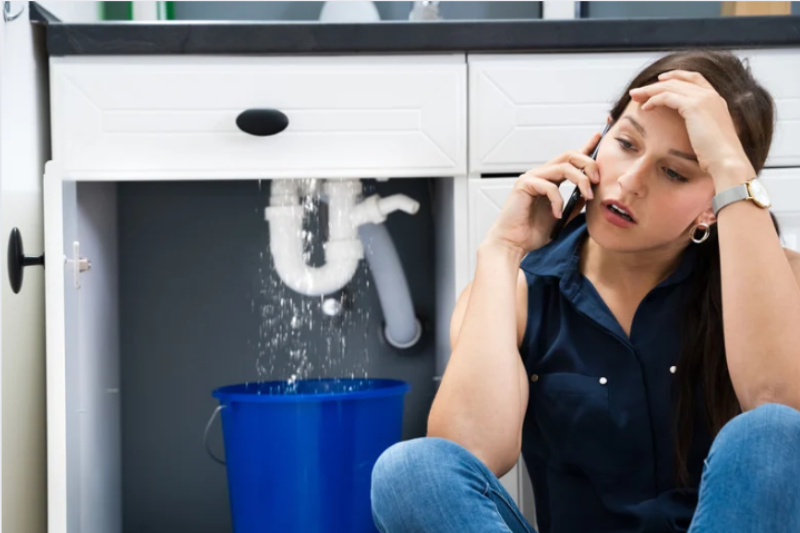
Shut off water fast
If water is active, your first win is stopping it quickly.
- Fixture shutoffs are usually:
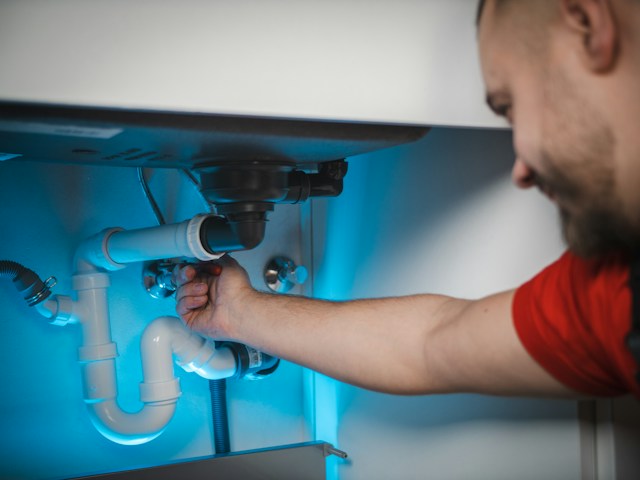
- Under sinks
- Behind toilets
- At the washing machine connections
- Near the water heater (depending on setup)
- The main shutoff is often:
- In the basement near where the water line enters
- In a utility room
- Near the water meter
Address electricity risks
Water and electricity are a bad combination, and this is where you want to be conservative.
- Shut off breakers if you have:
- Standing water near outlets or appliances
- Wet ceilings with light fixtures below
- Water running toward baseboard heaters or electrical cords
- Avoid using outlets, cords, and appliances in wet zones. Don’t step into standing water if you suspect electricity could be involved.
- If water is near the electrical panel, don’t approach it. That’s a situation where professional help is the safer move.
Burst Pipe Cleanup
Common burst pipe locations in Michigan homes
Burst pipes tend to happen where pipes are exposed to cold air or sit near weak insulation points:
- Exterior walls (especially under kitchen sinks)
- Basements and crawl spaces
- Garages and unheated areas
- Rim joists and foundation edges
- Behind toilets and near plumbing penetrations
“Frozen pipe burst repair” basics
Here’s the pattern we see again and again: pipes crack during the freeze but don’t leak until they thaw. That delay tricks people into thinking they’re safe—until water starts flowing again.
- Immediate repair vs. temporary stabilization:
Temporary fixes can slow things down, but a proper repair is what prevents the leak from returning during the next pressure cycle. - Why hidden pinhole leaks can continue:
Even after you fix a “main break,” smaller cracks or stressed fittings nearby can continue to seep. That’s why it’s common for homeowners to think the problem is solved, only to notice dampness again a day later.
Emergency water removal priorities
When you’re dealing with a burst pipe, the order of operations matters.
- Standing water extraction first
The faster you remove bulk water, the less saturation you’ll have in flooring layers and trim. - Pull water from carpet padding and floor seams
Carpet padding holds water like a sponge. Floor seams (especially along walls) can trap moisture that later causes swelling, odor, and mold risk. - Know when removal is necessary to dry properly
Sometimes baseboards or sections of drywall need to be removed to dry wall cavities safely. It can feel counterintuitive—“why take things out?”—but drying trapped moisture without access can be nearly impossible in winter conditions.
Ice Dam Cleanup
How ice dams cause interior water damage
Ice dams are not just “a roof problem.” They’re a water-backup problem.
- Meltwater refreezes at the eaves and forms a ridge of ice.
- That ridge blocks drainage and forces water back under shingles.
- Water then travels into attic insulation and roof decking and shows up inside as stains or dripping.
What to do inside the home right away
- Use buckets and plastic sheeting to protect floors and furniture. Plastic is especially helpful for directing drips into a container instead of letting water spread.
- Watch for ceiling bulges or sagging drywall. A bulging ceiling can hold a surprising amount of water and may collapse without warning.
- Do a safe attic check if you can access it safely: use a flashlight, look for wet insulation or dripping. Don’t step where you’re unsure—attic falls happen fast, and stepping through drywall is a real risk.
What not to do on the roof
- Don’t climb on the roof in winter conditions. Ice + pitch + hidden slick spots = high fall risk.
- Avoid chipping ice aggressively. You can damage shingles, flashing, gutters, and roof edges, making the leak worse.
- Skip the “quick caulk patch.” Freeze/thaw cycles can break those patches quickly, and they don’t address the underlying cause (heat loss, ventilation, drainage, or compromised roof details).
Emergency Water Removal
Why fast extraction changes the outcome
With winter water damage, speed isn’t just about convenience—it changes what your home looks like on the other side of the cleanup. The faster standing water and saturated materials are addressed, the more likely it is you avoid the “domino effect” of swelling trim, warped floors, and damp cavities that turn into odor and mold problems later.
- Prevents swelling, warping, and secondary damage:
Wood and drywall don’t need days to deform—sometimes they only need hours. Baseboards swell, cabinets wick water from the bottom up, and hardwood can start cupping as moisture gets trapped underneath. - Reduces the chance of microbial growth:
Mold and bacteria aren’t waiting for spring. If moisture stays trapped in insulation, drywall cavities, subfloors, or carpet padding, microbial risk rises even in January—because indoor spaces are still warm. - Shortens overall drying time:
Winter drying conditions are tougher: homes are sealed, outdoor air is cold, and moisture tends to linger. Early extraction reduces the moisture load so drying doesn’t turn into a long, frustrating process.
What equipment we may bring
When we respond to a burst pipe or ice dam event, we’re not just “drying the air.” We’re drying the structure and verifying it. That usually means a combination of targeted airflow, dehumidification, and measurement tools—because winter moisture hides.
- Air movers:
These are positioned strategically, not randomly. The goal is to move air across wet materials in a way that speeds evaporation without blowing moisture into unaffected areas. - Dehumidifiers:
As moisture evaporates off surfaces and out of materials, it has to go somewhere. Dehumidifiers pull it out of the air so the drying process keeps moving forward instead of stalling. - Moisture meters/thermal tools:
The biggest risk in winter cleanup is missing hidden moisture. Moisture meters and thermal tools help confirm what’s wet, where it traveled, and when materials have actually returned to safe levels. - HEPA filtration:
If there’s concern about mold, sewage/gray water, or heavy debris, HEPA filtration supports cleaner indoor air during mitigation and helps reduce the spread of fine particles during cleanup and drying.
“Dry to safe levels” vs. “dry to the touch”
This is where many DIY cleanups fall apart. A surface can feel dry while the material underneath is still holding moisture—and in winter, that hidden moisture is exactly what causes repeat odor, staining, and mold problems.
- Why drywall and subfloors can stay wet behind a “dry-looking” surface:
Drywall often dries from the outside first, while moisture stays trapped inside the wall cavity or behind baseboards. Flooring can look normal while the subfloor beneath remains damp—especially under LVP, laminate, and carpet padding. - How monitoring prevents rebound moisture and repeat odor/mold issues:
Moisture can “rebound,” meaning it migrates back toward the surface after equipment is removed. Monitoring helps confirm the job is truly dry—not just temporarily improved—so you don’t get that frustrating cycle where musty smells or stains return a week later.
Winter Water Damage Gets Worse Fast—But Fast Action Can Keep It Contained
Winter water damage has one big disadvantage: it hides while it spreads. Burst pipes and ice dams don’t just leave water on the surface—they send moisture into wall cavities, ceiling layers, insulation, and subfloors where you won’t see it right away. And because winter drying conditions are tougher (closed windows, cold outdoor air, slower evaporation, repeated thaw cycles), that moisture tends to linger longer than people expect.
Need Emergency Water Removal After a Burst Pipe or Ice Dam? Call Titus Contracting 24/7
If you’re dealing with a burst pipe, ceiling leak from an ice dam, or winter storm-related water intrusion, we’re ready 24/7 to help you take control fast.
Phone: (586)610-8608
Website: www.tituscontractinggroup.com/

.jpg)
