

Insurance claims can become complicated when documentation, adjuster communication, hidden damage, and repair estimates all need to align. Having an experienced restoration team manage the process from inspection through final repairs can reduce stress and keep homeowners informed at every stage.
Most homeowners deal with an insurance claim once or twice in their lifetime, if that. There's no reason to know how the process works ahead of time, and most people don't find out how confusing it is until damage has already happened to their home. Between adjuster visits, documentation requirements, and policy language that seems designed for someone else to understand, the claims process often ends up feeling more stressful than the damage itself.
That's where Paul and the team at Titus Contracting Group come in. Rather than leaving homeowners to figure out insurance on their own, Titus sits on their side of the table from the very first phone call through the final walkthrough. This isn't a side service tacked onto a repair job. It's a core part of how Titus approaches every water, storm, mold, or fire damage situation.
Insurance policies are full of terms most people never need to understand until they're suddenly living through a claim. Words like "actual cash value," "scope of loss," and "supplemental claim" show up in paperwork with little explanation. Exclusions and coverage limits can be buried in language that takes a professional eye to catch.
Many homeowners don't realize that the way damage gets documented can directly affect what gets approved. A missed detail in the initial report can mean a lower payout or a denied claim altogether. This isn't because homeowners are careless. It's because the system wasn't built with them in mind.
Damage doesn't wait, and neither do insurance deadlines. Most policies require prompt mitigation, meaning homeowners are expected to act fast even while they're still processing what happened. That urgency can clash with a natural instinct to slow down and think things through.
A slow leak that sits for a few extra days can turn into a mold situation. A minor roof issue left unaddressed becomes a ceiling problem. Insurance companies know this, which is part of why timing matters so much in how a claim gets evaluated.
When someone calls Titus, they're not working through a call center script. They're talking to a team that has walked through this exact situation with hundreds of other Michigan homeowners. The goal of that first call is simple: understand what happened and get eyes on the property as quickly as possible.
From there, a free inspection gets scheduled, often within the same day. There's no pressure and no upsell during this step. It's about assessing the situation honestly so the homeowner knows what they're actually dealing with.
During the inspection, the Titus team looks well beyond what's immediately visible. What's on the surface is often just a fraction of the actual damage. A full assessment typically includes:
Some contractors treat documentation as an afterthought. At Titus, it's treated as one of the most important parts of the entire process. Every inspection results in detailed photos, moisture readings, and written assessments that create a clear record of the damage.
Many homeowners don't realize how much this early documentation affects the outcome of their claim. Strong records tend to lead to fewer disputes, faster approvals, and claims that reflect the actual cost of repairs. It also protects homeowners if a disagreement comes up later in the process.
Without that documentation, it becomes a homeowner's word against an adjuster's assessment. With it, there's a clear paper trail that supports what actually needs to be done to restore the home.
This is where Titus separates itself from a typical contractor. Insurance claim assistance doesn't mean handing homeowners a report and wishing them luck. It means Paul and the team communicate directly with the insurance adjuster on the homeowner's behalf.
That includes walking the adjuster through the documented findings, explaining the scope of necessary repairs, and translating technical details into terms everyone can agree on. Homeowners are kept informed throughout, but they're not the ones left trying to interpret industry jargon on their own.
Disagreements between contractors and adjusters happen more often than most homeowners expect. Some of the most common sticking points include:
Once a claim is approved, the real work begins. Titus handles the full scope of restoration and remodeling under one roof, which matters more than most homeowners realize going in. If additional damage is discovered once work is underway, there's no need to pause the project to bring in a separate contractor.
Communication doesn't stop once work begins. Paul's reputation for transparency shows up consistently in client reviews, and it carries through the entire restoration process. Homeowners get regular updates on progress, timelines, and any changes to the original plan.
Before a project is considered complete, there's a final walkthrough to confirm everything matches what was approved and repaired. This is the homeowner's chance to ask questions, point out any concerns, and see the finished work firsthand. It's also a chance for Titus to make sure nothing was overlooked.
Sometimes an issue surfaces after the fact, whether it's a small detail or something that wasn't visible during the original assessment. When that happens, Titus works with the homeowner to determine next steps, which may include a supplemental claim. The relationship doesn't end the moment the final invoice is sent.
Homeowners who navigate a claim without support often run into the same recurring challenges. Working with Titus changes that experience in a few key ways:
Dealing with damage to your home is stressful enough without also feeling like you're on your own to figure out insurance. Homeowners deserve to feel supported through every part of that process, not just the parts that involve swinging a hammer. That support is exactly what Paul and the Titus team aim to provide with every claim they take on.
This isn't a one time gesture or a service reserved for the most complicated cases. It's a standing commitment that applies whether the damage is minor or extensive, and whether the claim is simple or full of complications. Homeowners across Shelby Township, Rochester, Auburn Hills, and the surrounding areas can expect the same level of involvement every time.
Whether damage just happened or a claim is already in progress and feeling complicated, reaching out doesn't cost anything upfront. Titus Contracting Group offers free inspections and 24/7 emergency response to homeowners across Michigan. There's no reason to navigate this process, or the damage that started it, without someone experienced in your corner.
📞 (586) 610-8608 🔗 tituscontractinggroup.com
Discover the latest strategies for effective water damage restoration and how our 24/7 emergency response can safeguard your home.
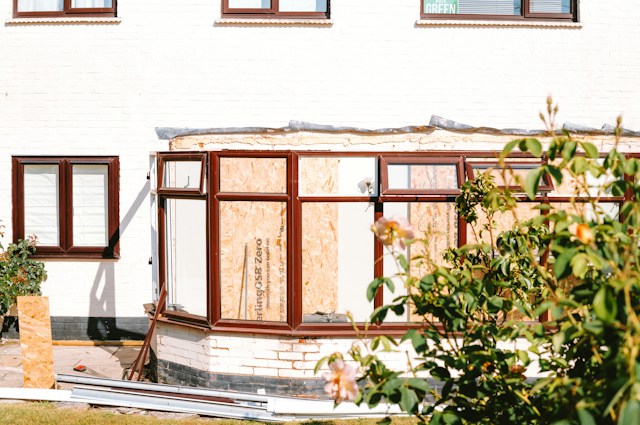
Delaying summer storm damage repairs into fall can allow minor roof, siding, gutter, and moisture problems to spread into more extensive damage. Addressing storm damage before winter can reduce repair costs, simplify insurance documentation, and protect the home from freeze-thaw conditions.
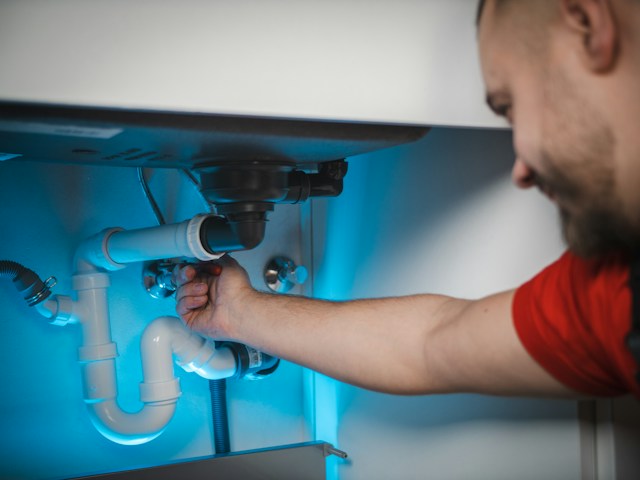
Michigan’s first freeze can expose hidden plumbing and foundation vulnerabilities, including uninsulated pipes, drainage problems, and existing cracks. Preparing these areas before temperatures drop can help prevent burst pipes, moisture intrusion, and costly winter damage.
.jpg)
A fall home inspection can uncover roof, gutter, foundation, plumbing, attic, and wildlife issues before Michigan’s winter weather makes them worse. Addressing small problems before freezing temperatures arrive can help prevent water damage, frozen pipes, structural concerns, and costly repairs.
