
.png)
Water stains on a ceiling can signal hidden roof damage, plumbing leaks, or HVAC condensation that may have been developing for weeks. Addressing discoloration, moisture, sagging, or musty odors early can help prevent mold, structural damage, and more extensive repairs.
You walk into a room, glance up, and there it is. A yellowish brown ring on the ceiling that definitely was not there last week. Maybe it is small. Maybe you noticed it a few weeks after that last big storm rolled through and figured it would fade or dry out on its own.
Here is the thing about ceiling stains. They are rarely just a cosmetic issue. That discoloration is your ceiling telling you something happened above it, and in most cases, that something is still happening. Understanding what these stains actually mean can save you from a much bigger repair bill down the road.
A damaged roof is behind the majority of ceiling stains we see, especially the ones that show up in August. Summer storms bring wind, hail, and heavy rain that can loosen or crack shingles without causing any damage you would notice from the ground. Once that protective layer is compromised, water finds its way in during the next rain and works downward until it reaches your ceiling.
Some of the most common roof related causes include:
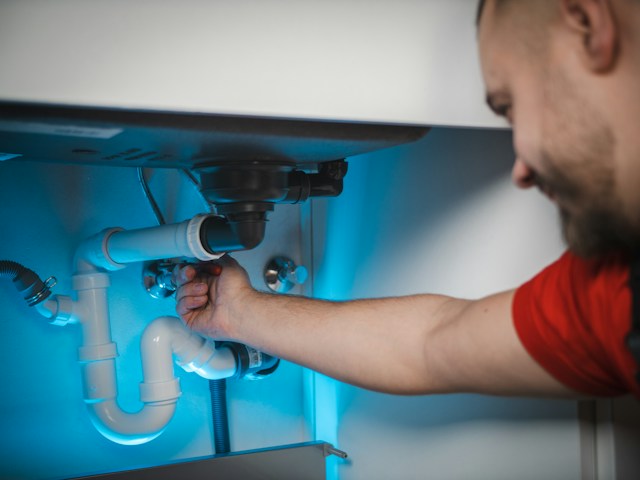
If the stain is under a bathroom, kitchen, or upstairs plumbing line, a slow pipe leak could be the source. These leaks are sneaky because they do not always cause a sudden flood. Instead, they drip steadily for weeks, saturating insulation and drywall long before the stain becomes visible.
Air conditioning units and ductwork can also produce enough condensation to cause ceiling staining, particularly in attics during hot, humid months. A clogged condensate line or poorly insulated ductwork is often the trigger. This is easy to overlook because there was no storm to point to, which is why so many homeowners are surprised by the cause.
Many homeowners assume that if their ceiling looked fine right after a storm, they dodged a bullet. That is not always true. Water can travel along rafters, insulation, and drywall backing for days or even weeks before it finally saturates enough material to show through as a visible stain.
By the time you see it, the damage has usually had time to spread well beyond that one spot. This is one of the most misunderstood parts of storm related damage, and it is exactly why August tends to bring a wave of ceiling stain calls from storms that happened back in July.
Quick takeaway: A visible stain is a delayed signal, not an early warning. What you see is often just a fraction of what is actually affected behind the ceiling.
Pay close attention to how the affected area looks and feels, not just its color. The physical condition of the ceiling tells you far more than the stain itself. Watch for these signs:
A soft or sagging ceiling means the drywall has absorbed enough moisture to start breaking down structurally. A musty smell is often an early indicator of mold growth happening inside the ceiling cavity, out of sight. Stains that reappear after being painted over almost always mean the source of the water was never actually fixed, just covered up.
A ceiling stain that seems to stay the same size can still be causing ongoing problems underneath. Moisture trapped in insulation and framing creates the perfect environment for mold growth. Wood that stays wet long enough starts to lose structural integrity, even if nothing looks different from where you are standing.
Insurance companies often look closely at when damage was reported relative to when it occurred. Waiting too long to document and address a leak can complicate a claim, even when the original cause was a covered event like storm damage. Reporting damage promptly, with photos and dates, puts you in a much stronger position.
A thorough inspection goes beyond looking at the stain itself. Our team checks the attic space above the affected area, examines the roof for damaged or missing shingles, and uses moisture meters to map out how far the water has actually traveled.
This step matters because two ceiling stains that look identical from below can have completely different causes. One might trace back to a cracked shingle. Another might come from a slow leak in a bathroom line two rooms over. Only a proper inspection tells you which one you are dealing with.
Myth vs Fact
While you wait to get a professional set of eyes on the problem, there are a few things you can safely do on your own.
Not every stain requires an emergency call, but some situations should not wait. If the ceiling feels soft or is sagging, if water is actively dripping, or if you notice mold growth around the stain, it is time to get someone out to look at it.
These are signs that the damage has progressed past a simple repair and into territory that affects the safety and structural integrity of the ceiling itself. Waiting in these cases rarely makes things easier, and it often makes the eventual repair more invasive and more expensive.
A water stain on your ceiling is never really about the stain. It is about whatever is happening above it, whether that is a compromised roof, a slow plumbing leak, or a condensation problem that has been building for longer than you realized. The visible mark is just the messenger.
What we have found time and again is that homeowners who address these signs early save themselves from far more invasive repairs later. A small roof patch and some drywall work is a very different project than replacing rotted framing and remediating mold that had months to spread unnoticed.
If you are staring at a stain on your ceiling right now and wondering how serious it really is, you do not have to figure that out alone. Paul and our team offer free inspections across Shelby Township, Rochester, Auburn Hills, Orion Township, and the surrounding areas, and we will walk you through exactly what we find, no guesswork and no pressure.
We handle everything from the initial inspection to working directly with your insurance company, so you are not left managing the process on top of everything else. And if we get into the repair and find something unexpected, we handle that too, without pausing the job to bring in another contractor.
📞 (586) 610-8608 🔗 tituscontractinggroup.com
Discover the latest strategies for effective water damage restoration and how our 24/7 emergency response can safeguard your home.

Delaying summer storm damage repairs into fall can allow minor roof, siding, gutter, and moisture problems to spread into more extensive damage. Addressing storm damage before winter can reduce repair costs, simplify insurance documentation, and protect the home from freeze-thaw conditions.
Michigan’s first freeze can expose hidden plumbing and foundation vulnerabilities, including uninsulated pipes, drainage problems, and existing cracks. Preparing these areas before temperatures drop can help prevent burst pipes, moisture intrusion, and costly winter damage.
.jpg)
A fall home inspection can uncover roof, gutter, foundation, plumbing, attic, and wildlife issues before Michigan’s winter weather makes them worse. Addressing small problems before freezing temperatures arrive can help prevent water damage, frozen pipes, structural concerns, and costly repairs.
