
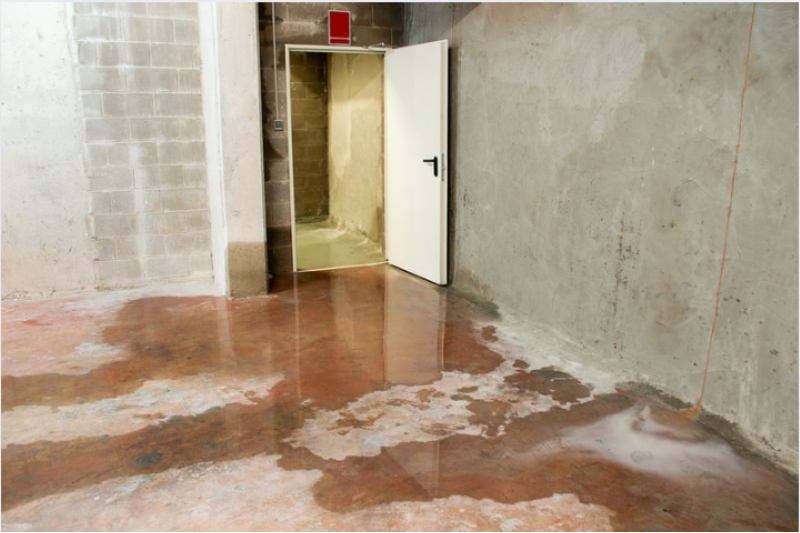
As Michigan’s fall colors fade, leaves, twigs, and debris begin clogging gutters and drains—setting the stage for roof leaks, foundation cracks, and basement flooding. Regular cleanup and storm preparation are essential to prevent water damage before freezing temperatures arrive. Clearing gutters, sealing foundation cracks, and inspecting roofs keep your home protected from costly moisture issues. Professional maintenance ensures your property stays safe, dry, and ready for winter weather.
There’s nothing quite like a Michigan autumn. The air turns crisp, the trees burst into vibrant shades of gold and red, and the sound of rustling leaves fills the air. It’s a season that brings both beauty and preparation — because behind the charm of fall, hidden dangers are already forming around your home.
As those colorful leaves fall, they don’t just cover your lawn — they settle into your gutters, roof valleys, and drains. Add in twigs, pine needles, and autumn rain, and before long, you’ve got the perfect storm for clogs and overflows. What looks like a simple layer of debris can set off a damaging chain reaction that many homeowners don’t notice until it’s too late.
A few hours of gutter neglect in the fall can lead to thousands of dollars in repairs by spring. That’s why Titus Contracting is committed to helping Michigan homeowners stay ahead of seasonal damage. Their professional team provides gutter maintenance, storm preparation, and flood prevention services across Bruce Township, Rochester, Orion Charter Township, Auburn Hills, and surrounding areas. From clearing out leaves to inspecting drainage systems, Titus ensures your home is ready to handle whatever Michigan’s unpredictable fall weather brings.
It’s easy to underestimate how much harm a few stray leaves can cause. Yet for Michigan homeowners, those crisp orange and brown layers can lead to thousands of dollars in water and structural damage when left unchecked. Your gutters and downspouts form your home’s first line of defense against heavy autumn rain — but once they’re clogged, every storm becomes a potential flood risk.
When leaves collect in your gutters, they form dense mats that trap rainwater instead of channeling it away. Over time, this trapped water seeps beneath your roof’s shingles and into the fascia — the wooden boards that support your gutter system. Once that wood begins to rot, the entire edge of your roof becomes vulnerable.
This kind of water damage doesn’t just affect appearance — it weakens the structure, inviting pests, mold, and further decay. During Michigan’s late fall rains, the risk only increases as temperatures fluctuate and water repeatedly freezes and thaws.
Even if your gutters look clear from above, debris often settles deep inside the downspouts. When this happens, rainwater has nowhere to go but back up. That overflow can spill over your roofline, soaking siding, windows, and trim. In some cases, the backed-up water can even seep inside walls, causing bubbling paint or peeling wallpaper — signs of hidden leaks many homeowners miss until damage spreads.
Professional gutter maintenance ensures that every section, from the top edge to the final drainage point, flows freely and protects your home’s exterior from water intrusion.
Once gutters overflow, water runs straight down to the base of your home — right where it shouldn’t be. Over time, this constant runoff saturates the soil around your foundation. When the ground becomes oversaturated, it can no longer absorb more moisture, forcing the water to pool and push against your foundation walls.
This creates hydrostatic pressure, a powerful force that drives water through even the smallest cracks. The result? Damp walls, pooling water, and in many cases, full-blown basement flooding.
Homeowners in Orion Charter Township and other low-lying Michigan areas are especially vulnerable due to heavy autumn rainfall and clay-based soils that hold moisture. What begins as clogged gutters can end as a flooded basement — and that’s where Titus Contracting’s water damage prevention services make all the difference.
As temperatures drop, any standing water left in clogged gutters will freeze. Ice expands as it forms, warping and cracking metal gutters, splitting seams, and even loosening fasteners from your roofline. The weight of that ice can pull gutters completely away from your home, leaving open gaps for melting snow to pour directly into your eaves.
This ice buildup also contributes to ice dams — thick ridges that form along roof edges and prevent melting snow from draining properly. The trapped water seeps beneath shingles and insulation, eventually leaking into ceilings and walls.
As Michigan transitions from colorful autumn days to early winter chills, the risk of heavy rain, high winds, and even the first flurries increases dramatically. While fall is known for its beauty, it’s also a season of unpredictable storms — and your home’s ability to withstand them depends on how well you prepare. A little effort in the fall can prevent thousands of dollars in water damage once freezing temperatures set in.
Start with the most important line of defense: your gutters. Remove leaves, pine needles, and nests that can block water flow. When gutters are clean, rain and melting snow can drain properly through downspouts and away from your home. Clogged systems, on the other hand, lead to overflowing water that can seep into walls and foundations.
If your home is surrounded by trees or sits on a sloped lot, you may need more frequent cleaning throughout the fall. Professional gutter maintenance from Titus Contracting ensures no debris remains hidden in corners or downspouts — restoring the system’s full capacity before winter storms arrive.
Next, take a careful look at your roof. Check for cracked, missing, or curling shingles and damaged flashing around chimneys, vents, and skylights. Even a small gap in the flashing can let in water during a storm, which can freeze, expand, and cause structural damage when temperatures drop.
If you’re not comfortable climbing a ladder, Titus Contracting offers roof inspections using advanced moisture detection tools, identifying hidden weaknesses before they become leaks. Early intervention now means fewer surprises later.
Your downspouts should channel water at least 5–10 feet away from your foundation. If they’re too short or disconnected, rainwater can pool near your home and lead to soil saturation and foundation cracks. Installing extensions or splash blocks is a simple yet powerful way to keep water moving in the right direction.
In Orion Charter Township and surrounding areas, where clay soil holds moisture longer, this step is especially critical for preventing basement flooding and foundation erosion.
Fallen leaves and branches aren’t just a yardwork chore — they’re a water hazard. When debris accumulates near driveways, walkways, and drainage grates, it blocks the flow of rainwater and increases pooling.
Make sure to clear storm drains, sump pump discharge lines, and low-lying areas around your home regularly. This not only helps prevent flooding but also keeps your sump pump running efficiently when heavy rain hits.
Your sump pump is your basement’s first defense against flooding — but it only works if it’s functioning properly. Pour water into the sump pit and confirm that the pump activates and drains correctly. Also, inspect your drainage grates and backflow valves to ensure they’re free of blockages or corrosion.
Titus Contracting’s technicians perform full system checks as part of their storm preparation services, ensuring that every drain, pump, and outlet is ready to handle fall’s heaviest downpours.
Before the first freeze, examine your foundation walls for visible cracks or gaps. Even small fissures can allow water to seep in, and once temperatures drop, that moisture can freeze, expand, and worsen the damage.
Applying high-quality sealant or scheduling professional crack repair helps reduce hydrostatic pressure — the underground water force that pushes against your basement walls after heavy rain. Titus Contracting specializes in foundation and basement moisture control, offering durable, weather-resistant sealing solutions to keep your home dry year-round.
Fall cleanup isn’t just about curb appeal — it’s about protecting your biggest investment from water damage before winter strikes. Leaves, debris, and clogged gutters can silently undermine your home’s foundation and lead to costly flooding once the ground freezes. With Michigan’s unpredictable autumn storms, prevention today means peace of mind tomorrow.
Don’t wait until the first freeze to find out your gutters or foundation are struggling to keep up. The experts at Titus Contrating provide trusted, comprehensive protection — from gutter maintenance and leaf removal to basement flooding prevention and storm preparation. Our team is committed to helping Michigan homeowners weather every season with confidence.
Available 24/7 — Because prevention is the first step to protection.
Discover the latest strategies for effective water damage restoration and how our 24/7 emergency response can safeguard your home.

Delaying summer storm damage repairs into fall can allow minor roof, siding, gutter, and moisture problems to spread into more extensive damage. Addressing storm damage before winter can reduce repair costs, simplify insurance documentation, and protect the home from freeze-thaw conditions.

Michigan’s first freeze can expose hidden plumbing and foundation vulnerabilities, including uninsulated pipes, drainage problems, and existing cracks. Preparing these areas before temperatures drop can help prevent burst pipes, moisture intrusion, and costly winter damage.
.jpg)
A fall home inspection can uncover roof, gutter, foundation, plumbing, attic, and wildlife issues before Michigan’s winter weather makes them worse. Addressing small problems before freezing temperatures arrive can help prevent water damage, frozen pipes, structural concerns, and costly repairs.
