How to Identify and Repair Animal Damage in Your Home

Learn how to detect, repair, and prevent animal-related damage to your home.

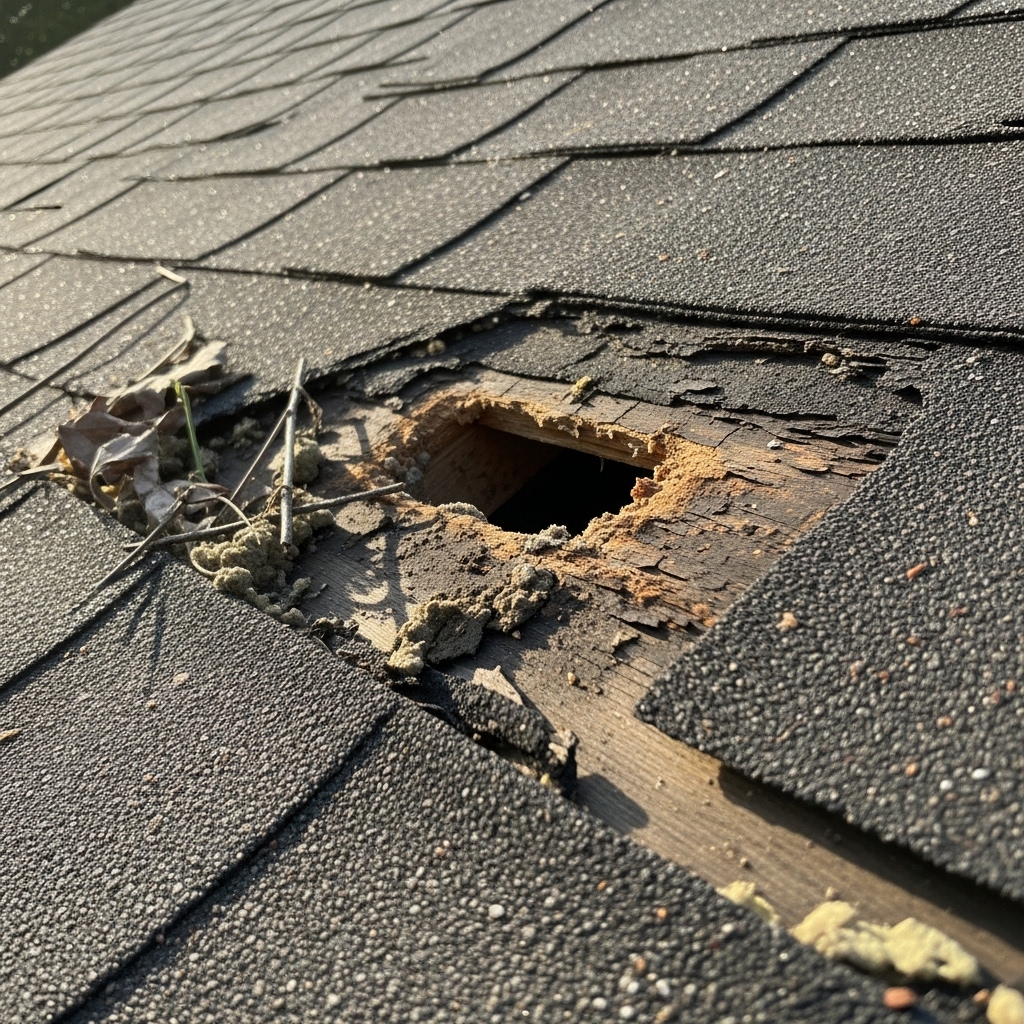
Wildlife intrusions can lead to significant property damage and health risks. Here’s how to handle it effectively:

Recognize Signs of Animal Damage
  • Droppings or nesting materials in attics, basements, or crawl spaces.
  • Chewed wires, insulation, or structural wood.
  • Strange noises (scratching, scurrying) in walls or ceilings.
Repair the Damage
  • Remove contaminated insulation and repair chewed wires.
  • Replace damaged wood and structural elements.
  • Clean and disinfect affected areas thoroughly.
Prevent Future Intrusions
  • Seal entry points around the roof, vents, and foundation.
  • Trim tree branches away from the house.
  • Install chimney caps and vent covers.

By staying vigilant and addressing animal damage promptly, you can protect your home and maintain a safe living environment.

Published

January 29, 2026

Explore our latest blog posts to stay informed about property restoration tips and industry insights.

Discover the latest strategies for effective water damage restoration and how our 24/7 emergency response can safeguard your home.
Cold Weather Cleanup: What to Do After a Burst Pipe or Ice Dam

Cold Weather Cleanup: What to Do After a Burst Pipe or Ice Dam

Winter water damage spreads quickly through walls, ceilings, insulation, and flooring, often long before it’s visible. Fast action—shutting off water, addressing safety risks, and removing moisture properly—can significantly reduce structural damage and long-term issues like warping and mold. Thorough drying and verification are essential in cold weather, when moisture is more likely to stay trapped and cause repeat problems.

Emergency Response 101: What to Expect When You Call Titus Restoration

Emergency Response 101: What to Expect When You Call Titus Restoration

Home emergencies escalate quickly, which makes fast response, clear communication, and proper moisture control critical. Professional restoration focuses on identifying hidden damage, stopping the spread, and stabilizing the environment before secondary problems like mold or structural issues develop. Knowing what happens during an emergency response helps homeowners act quickly and avoid costly delays.

How to Spot Roof Damage Before It Becomes a Winter Emergency

How to Spot Roof Damage Before It Becomes a Winter Emergency

Winter roof failures rarely happen without warning, especially in climates with snow, wind, and freeze–thaw cycles. Subtle signs like uneven snow melt, attic staining, granule loss, or heavy ice at roof edges often point to developing leaks or structural stress. Spotting and addressing these clues early can prevent interior water damage, mold, and emergency repairs.

Get a Free Quote for Your Restoration or Remodeling Project