
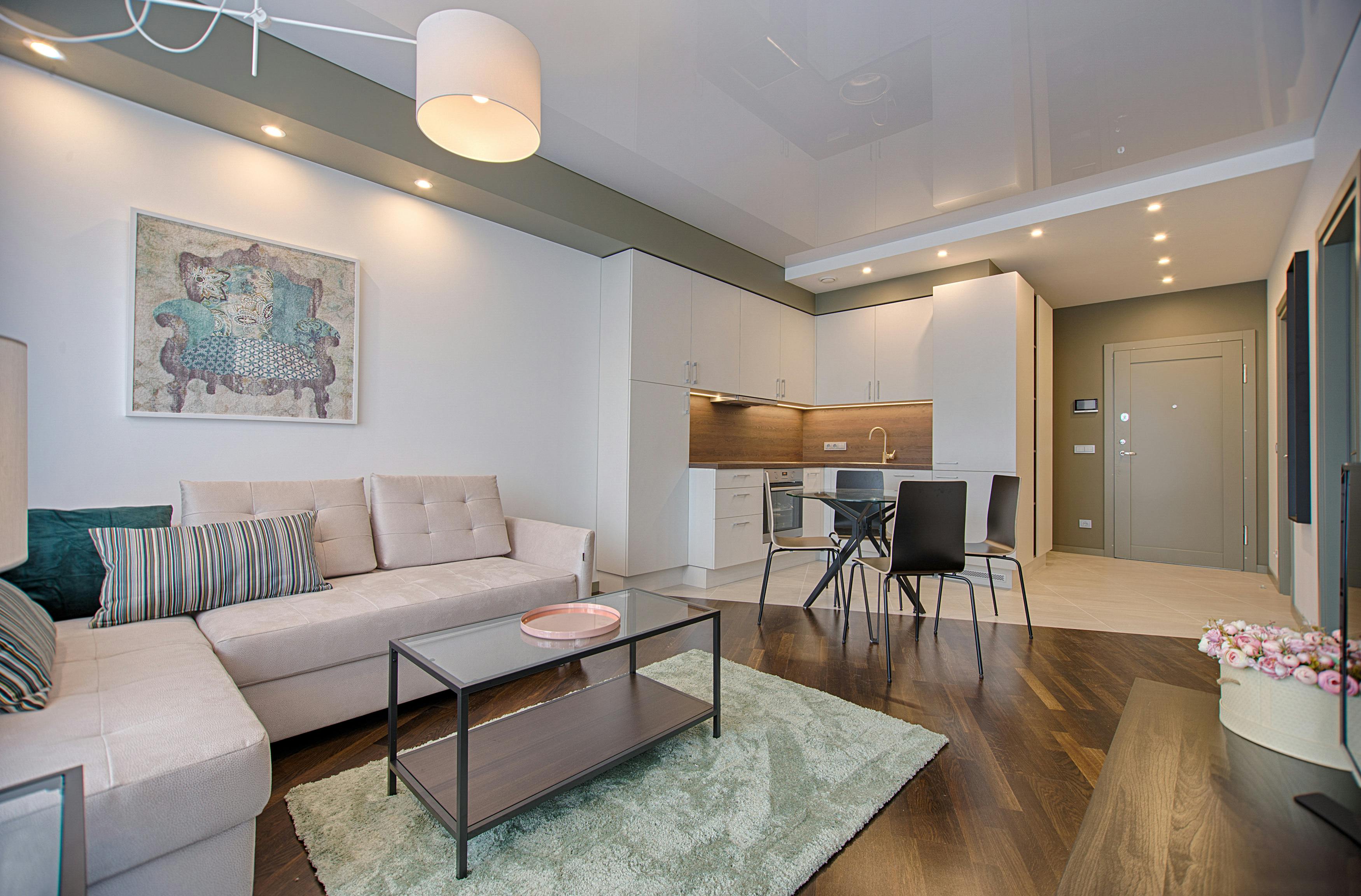
Discover the latest home remodeling trends that will transform your space and add value to your property.
Open floor plans continue to dominate, offering a spacious and connected feel. Removing walls between kitchens, dining rooms, and living areas enhances flow and functionality.
Homeowners are prioritizing sustainability by using recycled materials, energy-efficient appliances, and eco-friendly finishes.
Integration of smart lighting, security systems, and climate control improves convenience and energy management.
Bathrooms are becoming personal retreats with features like rain showers, freestanding tubs, and natural textures.
Flex rooms that serve multiple purposes—such as home offices, gyms, or guest rooms—are increasingly popular.
Incorporating these trends can enhance both the beauty and functionality of your home.
Discover the latest strategies for effective water damage restoration and how our 24/7 emergency response can safeguard your home.
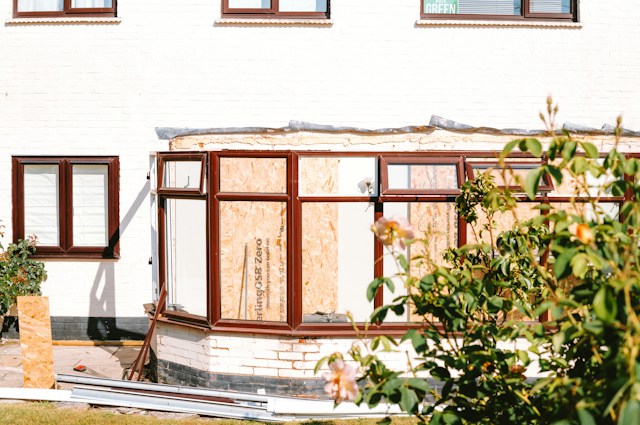
Delaying summer storm damage repairs into fall can allow minor roof, siding, gutter, and moisture problems to spread into more extensive damage. Addressing storm damage before winter can reduce repair costs, simplify insurance documentation, and protect the home from freeze-thaw conditions.
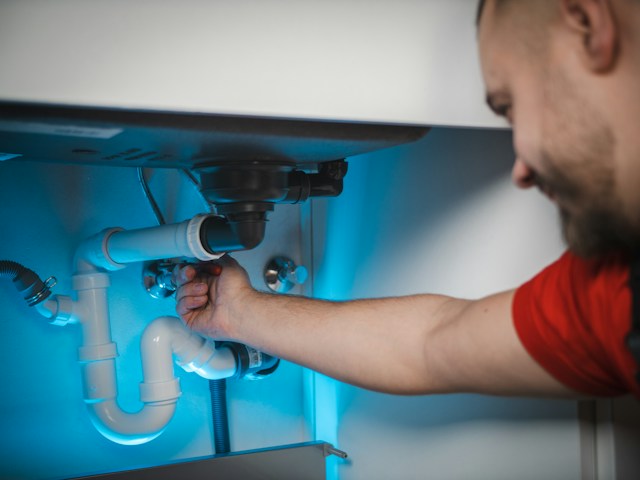
Michigan’s first freeze can expose hidden plumbing and foundation vulnerabilities, including uninsulated pipes, drainage problems, and existing cracks. Preparing these areas before temperatures drop can help prevent burst pipes, moisture intrusion, and costly winter damage.
.jpg)
A fall home inspection can uncover roof, gutter, foundation, plumbing, attic, and wildlife issues before Michigan’s winter weather makes them worse. Addressing small problems before freezing temperatures arrive can help prevent water damage, frozen pipes, structural concerns, and costly repairs.
