

Wildlife removal in Michigan isn’t as simple as trapping an animal and sealing a hole—it’s governed by strict state and federal laws. Many species, including all bats and most birds, are legally protected and can only be handled at certain times and with specific methods. Violating these rules can result in heavy fines, legal penalties, and safety risks for both people and animals. Professional wildlife control ensures compliance with the law while keeping your home and family safe.
At first glance, dealing with wildlife in your attic, crawlspace, or walls might seem like a simple task: get the animal out and seal the hole. But in Michigan, wildlife removal is anything but straightforward—especially when legal protections and health risks are involved.
Michigan homeowners are often surprised to learn that many common species—especially bats and birds—are protected by strict state and federal laws. Others require special permits, seasonal restrictions, or licensed removal techniques to ensure humane treatment and ecological balance. Even something as seemingly harmless as disturbing a bird’s nest or excluding bats during the wrong time of year can result in serious legal consequences, including fines, civil penalties, and environmental violations.
This is why wildlife removal is best left to professionals who understand the complex legal framework—and who know how to protect your home without breaking the law.
At Titus Contracting, we don’t just clean up the mess left behind—we coordinate with licensed Wildlife Control Operators (WCOs), follow all applicable laws, and ensure that any removal, exclusion, or cleanup is done with full respect for Michigan’s Department of Natural Resources (DNR) standards. Our goal is to protect your family, your home, and the species involved—legally, ethically, and safely.
Michigan wildlife law doesn’t just say what you can and can’t do—it defines how you do it. Key terms to understand:
This is where Wildlife Control Operators (WCOs) come in.
Michigan law requires certain species—especially protected mammals, birds, and large nuisance wildlife—to be handled by professionals licensed by the state. These WCOs:
Michigan is home to nine species of bats—including the Little Brown Bat, Big Brown Bat, and Northern Long-Eared Bat—and every single one is protected under state law.
These flying mammals play a vital role in controlling insect populations, which is why they’re protected. However, that also means:
The Migratory Bird Treaty Act, a federal law, protects most wild birds in Michigan. That means you can’t destroy or interfere with active nests (nests containing eggs or live chicks), even if they’re in inconvenient places like vents or eaves.
Common birds covered under this law include:
While bats and birds are the most commonly encountered protected wildlife, there are other species that also require special handling in Michigan, including:
In Michigan, violating wildlife protection laws isn’t just a slap on the wrist—it can come with serious consequences:
You might think you’re helping by trapping a raccoon or squirrel and releasing it elsewhere—but in Michigan, this is also regulated:
Beyond the legal problems, DIY removal can seriously harm animals and put your family at risk:
Licensed wildlife control professionals follow state-approved protocols for removing and excluding nuisance wildlife. These methods prioritize both human safety and animal welfare, including:
Professional wildlife removal isn’t done in secret. It includes a paper trail to show full compliance with Michigan’s wildlife laws, including:
Professionals understand that removal timing matters. For example:
Dealing with wildlife in your attic, walls, or crawlspace can feel urgent—but acting too fast or without the right knowledge can backfire. In Michigan, removing nuisance wildlife is more than a maintenance task—it’s a legal responsibility.
At Titus Contracting, we do things the right way from the very beginning. We partner with licensed Wildlife Control Operators (WCOs) to make sure every removal is not only safe and effective—but fully compliant with Michigan DNR and federal laws. From there, we handle the critical steps that follow: cleanup, decontamination, repair, and long-term wildlife-proofing.
We believe in protecting your home—and the wildlife around it—ethically, legally, and thoroughly.
Discover the latest strategies for effective water damage restoration and how our 24/7 emergency response can safeguard your home.

Delaying summer storm damage repairs into fall can allow minor roof, siding, gutter, and moisture problems to spread into more extensive damage. Addressing storm damage before winter can reduce repair costs, simplify insurance documentation, and protect the home from freeze-thaw conditions.
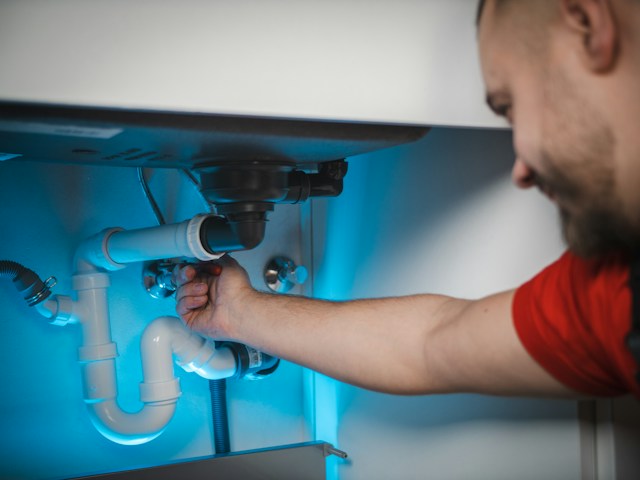
Michigan’s first freeze can expose hidden plumbing and foundation vulnerabilities, including uninsulated pipes, drainage problems, and existing cracks. Preparing these areas before temperatures drop can help prevent burst pipes, moisture intrusion, and costly winter damage.
.jpg)
A fall home inspection can uncover roof, gutter, foundation, plumbing, attic, and wildlife issues before Michigan’s winter weather makes them worse. Addressing small problems before freezing temperatures arrive can help prevent water damage, frozen pipes, structural concerns, and costly repairs.
