
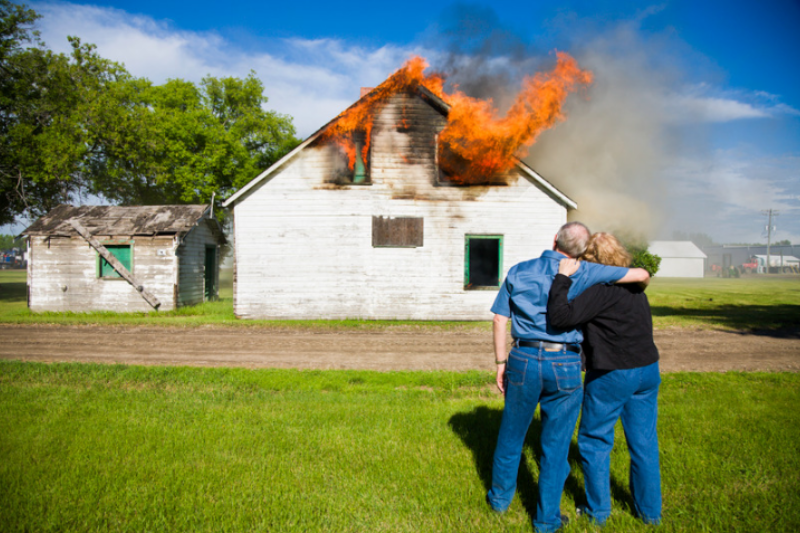
Holiday fire and water emergencies can escalate quickly, making fast action essential to protect your home and belongings. Knowing how to respond—shutting off utilities, documenting damage, and avoiding unsafe areas—helps prevent further loss. Professional restoration teams secure the property, remove hazards, clean affected areas, and guide homeowners through insurance and full recovery.
The holiday season should be filled with family gatherings, warm meals, and festive decorations—but it’s also one of the most dangerous times of year for house fires and water damage emergencies. Every December and January, we see a noticeable rise in calls from Michigan homeowners dealing with unexpected disasters that interrupt their celebrations and create stressful, costly situations.
When disaster hits your home, we treat your situation with urgency and care. Our team responds quickly because we know how devastating holiday emergencies can be—emotionally and financially. Whether you’re dealing with smoke damage, a burst pipe, or water flooding your basement, we move into action immediately to secure your home, clean up the damage, and guide you through the next steps.
Before anything else, make sure everyone exits the home safely. Even small fires produce toxic smoke that can cause breathing issues within seconds.
Some homeowners try to handle minor fires themselves, but hidden embers, electrical sparks, or trapped smoke can easily reignite. Calling emergency services ensures the fire is fully extinguished and the home is safe to approach.
If firefighters or emergency personnel recommend shutting off gas or electricity, do so immediately. Damaged wiring or gas leaks can trigger secondary fires or carbon monoxide risks.
The structure may look safe, but airborne soot, weakened beams, and hidden hot spots make re-entry dangerous. Only return when professionals confirm it’s safe.
Start your claim as soon as you can. The more quickly you notify your insurance company, the smoother the process will be.
Smoke damage is time-sensitive. Soot can:
Fast action helps preserve as much of your home as possible.
Find your home’s main water shutoff valve and turn it off immediately. In Michigan, these valves are usually located:
Every family member should know where this valve is so no time is wasted.
Water and electricity don’t mix. Shutting off power to wet areas prevents electrical shocks and reduces the risk of electrical fires.
Shift furniture, holiday gifts, electronics, and valuables out of the water’s path. Even small amounts of moisture can cause major damage to personal belongings.
Take photos and videos of:
Detailed documentation speeds up your insurance claim.
Water damage turns into mold problems within 24–48 hours. The sooner we can remove moisture and dry the structure, the more we can save and the less demolition will be required.
When we arrive, our first step is always safety. We assess structural risks, check for electrical hazards, confirm that utilities are properly shut off, and identify any areas that require immediate stabilization. Ensuring your home is safe to enter is our top priority.
Depending on the type of emergency, we take the appropriate action right away:
This rapid response helps prevent moisture spread, mold growth, and additional loss.
Water travels farther than most people realize. Using thermal imaging cameras, moisture meters, and hygrometers, we identify hidden pockets of moisture behind walls, under floors, inside insulation, and in the ceiling. This gives us a full picture of the damage so nothing is overlooked.
Next, we remove anything that can’t be salvaged, including:
Removing compromised materials allows drying and decontamination to happen correctly and safely.
Smoke residues can cling to surfaces, fabrics, and even the smallest crevices within your home. We use professional cleaning agents, degreasers, and odor-eliminating techniques to remove soot, restore surfaces, and prevent lingering smoke smells.
Fire and water emergencies both affect indoor air quality. Our HEPA air scrubbers filter out:
Purifying the air keeps your home safe during cleanup and protects your family’s health.
For water-damaged areas, we set up a customized drying system using industrial air movers, dehumidifiers, and heat units. This step is crucial to preserving structural components and reducing mold risk.
Any damp environment can develop mold in as little as 24–48 hours. We apply antimicrobial treatments to prevent microbial growth and protect your home as drying continues.
If a burst pipe caused your water damage, we coordinate with licensed plumbing partners who repair or replace damaged lines. Fixing the source of the problem ensures your home stays protected long after restoration is complete.
Fires push smoke and soot into your HVAC system, spreading contamination throughout the home. We clean and sanitize ductwork, vents, filters, and HVAC components to restore safe indoor air quality.
We don’t just clean—we rebuild. Once the water is removed and the structure is dry, we restore:
Our goal is to make your home look and feel exactly as it did before the damage—or even better.
Most homeowner policies cover:
Coverage varies, but these events are usually considered “sudden and accidental.”
Claims may be denied if the damage resulted from:
Understanding these limitations helps homeowners avoid surprises.
You can never have too much documentation. Photos, videos, damaged items, receipts, and moisture readings all help prove the true extent of loss. This makes the claims process faster and more accurate.
We play a crucial role by:
Our detailed reports help homeowners avoid underpaid claims.
Holiday emergencies may feel overwhelming, but with the right team on your side, fire and water damage is absolutely manageable. Quick action, professional cleanup, and thorough restoration help limit damage, reduce costs, and get your home back to normal sooner.
We encourage Michigan homeowners to stay alert during the holidays, understand the early warning signs, and know who to call if something goes wrong. Whether you’re facing smoke damage, a burst pipe, a flooded basement, or a fire cleanup, our team is ready to step in, protect your home, and guide you through every step of the recovery process.
When disaster strikes this holiday season, you can count on us to respond quickly and restore your home with care.
Discover the latest strategies for effective water damage restoration and how our 24/7 emergency response can safeguard your home.
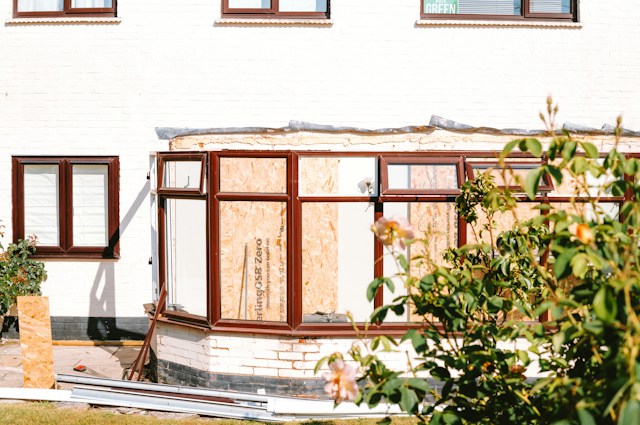
Delaying summer storm damage repairs into fall can allow minor roof, siding, gutter, and moisture problems to spread into more extensive damage. Addressing storm damage before winter can reduce repair costs, simplify insurance documentation, and protect the home from freeze-thaw conditions.
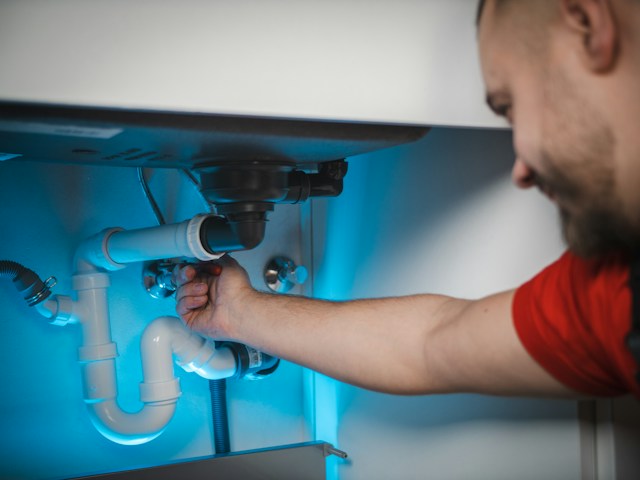
Michigan’s first freeze can expose hidden plumbing and foundation vulnerabilities, including uninsulated pipes, drainage problems, and existing cracks. Preparing these areas before temperatures drop can help prevent burst pipes, moisture intrusion, and costly winter damage.
.jpg)
A fall home inspection can uncover roof, gutter, foundation, plumbing, attic, and wildlife issues before Michigan’s winter weather makes them worse. Addressing small problems before freezing temperatures arrive can help prevent water damage, frozen pipes, structural concerns, and costly repairs.
