
.png)
Strange noises, foul odors, or droppings in the attic often point to hidden wildlife infestations that can damage insulation, wiring, and ventilation systems. These problems carry serious risks, from fire hazards to mold growth and even disease exposure from animal waste. DIY fixes not only risk legal trouble with protected species but can also worsen the problem by trapping animals inside. Professional inspection, removal, and repair ensure your attic is restored safely and legally.
If you’ve ever heard a strange scratching sound overhead or noticed a musty odor creeping down from the ceiling, you’re not alone. Michigan homes—especially those surrounded by woods, fields, or aging infrastructure—are a magnet for wildlife looking for shelter. And one of the most inviting spaces for them is your attic.
Why? Because an attic offers exactly what wild animals crave: warmth, shelter from predators, minimal disturbance, and easy access to nesting materials. It's dark, quiet, and often filled with soft insulation perfect for burrowing or nesting. Add a weak spot in your roofline or a broken soffit vent, and you’ve just rolled out the welcome mat.
By the time the signs are obvious, the damage is often extensive—soaked insulation, chewed wiring, corroded HVAC components, or even mold growth from animal waste.
Whether it’s bats during the summer, mice in the winter, or raccoons any time of year, knowing what to look for and when to call a professional could save you thousands in repair costs and keep your family safe.
One of the first signs homeowners notice during a wildlife invasion is noise — but it’s often dismissed as “the house settling” or a minor issue. In reality, those nighttime disturbances could be the sound of animals nesting, feeding, or exploring your attic.
Here’s what different sounds might mean:
Even if the animals stay out of sight, your nose may catch the problem first. Foul smells in the attic or upstairs rooms often point to urine, feces, or decaying nesting material left behind by wildlife.
Even worse, some odors can carry real health risks:
Even if you never see the animal, you can often spot their calling cards. Wildlife in the attic tend to leave behind a very visible trail of contamination.
Wildlife doesn't just make a mess—they compromise your home's structural integrity and safety. Even a small infestation can leave behind significant physical damage that puts your property (and your family) at risk.
Rodents and squirrels love to chew—and unfortunately, wiring is one of their favorite targets. When animals gnaw through electrical lines:
Whether it’s trampled by raccoons, shredded by mice, or soaked in urine, attic insulation quickly becomes ineffective and hazardous. Damaged insulation:
Animals typically enter through roof vents, soffits, fascia boards, or chimney gaps—and they rarely do so cleanly. These damaged points:
Michigan has strict rules when it comes to certain wildlife species, and for good reason. Many of the most common attic invaders are protected by state or federal laws—meaning improper removal or harassment can result in fines or legal trouble.
DIY approaches that block an entry point without confirming animals are gone can accidentally trap mothers inside while leaving babies behind—leading to death, rot, odor, and a larger cleanup bill later.
The droppings, urine, and nesting materials left behind in an attic aren’t just unpleasant—they can be genuinely dangerous to human health, especially when disturbed without proper containment.
Common diseases and biohazards include:
Store-bought gloves and dust masks aren’t enough. Safe removal requires full PPE, HEPA-filtered vacuums, biohazard containment, and safe waste disposal—tools most homeowners don’t have access to.
Many homeowners try to “seal up the problem” by stuffing gaps with steel wool or foam or boarding up holes. But without confirming all animals are out, this approach often traps live animals inside. The result?
That’s why exclusion must be timed carefully, often with the use of one-way doors, monitoring traps, and species-specific timelines.
At Titus Contracting, we work hand-in-hand with licensed Wildlife Control Operators (WCOs) and follow all Michigan wildlife removal laws. Our team doesn’t just handle the removal—we go beyond it with:
Wildlife damage doesn’t always announce itself with a bang. In fact, many attic infestations go unnoticed for months or even years—until the odors creep in, the insulation collapses, or a fire hazard appears out of nowhere. What seems like a small nuisance today can quickly escalate into serious property damage, health risks, and expensive repairs.
At Titus Contracting, we understand that real attic restoration goes beyond removal. That’s why we offer a complete, start-to-finish service: from coordinated wildlife exclusion to professional-grade biohazard cleanup and structural repair.
Your attic is more than just a crawlspace — it’s part of your home’s protective shell. Protect it properly with expert care.
Discover the latest strategies for effective water damage restoration and how our 24/7 emergency response can safeguard your home.
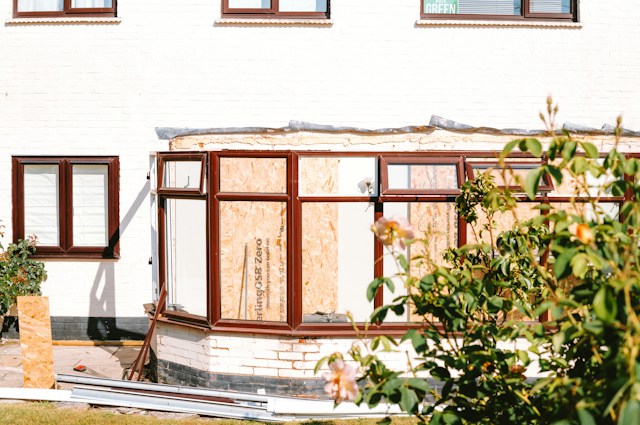
Delaying summer storm damage repairs into fall can allow minor roof, siding, gutter, and moisture problems to spread into more extensive damage. Addressing storm damage before winter can reduce repair costs, simplify insurance documentation, and protect the home from freeze-thaw conditions.
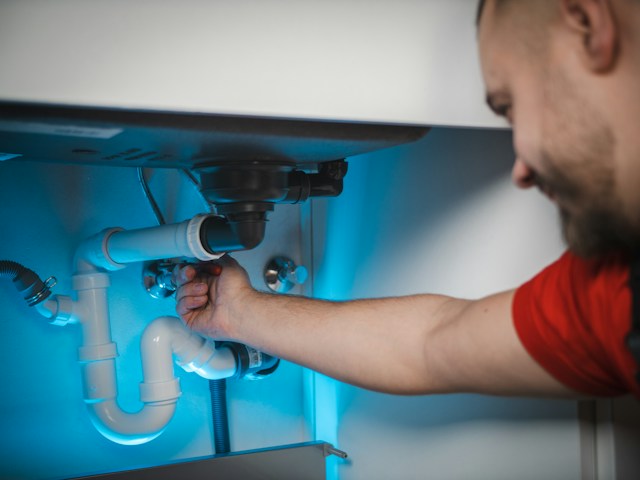
Michigan’s first freeze can expose hidden plumbing and foundation vulnerabilities, including uninsulated pipes, drainage problems, and existing cracks. Preparing these areas before temperatures drop can help prevent burst pipes, moisture intrusion, and costly winter damage.
.jpg)
A fall home inspection can uncover roof, gutter, foundation, plumbing, attic, and wildlife issues before Michigan’s winter weather makes them worse. Addressing small problems before freezing temperatures arrive can help prevent water damage, frozen pipes, structural concerns, and costly repairs.
