A new year does something interesting to the way we look at our homes. Suddenly you notice the little things you tuned out in November. The cabinet door that sticks. The draft you swear wasn’t there last winter. The “tiny” drip under the sink you keep meaning to tighten. And if you’re setting home safety goals for 2026, those small annoyances matter—because the most expensive home emergencies almost never start with something dramatic. They start quietly. Water damage is the perfect example.
That’s why prevention isn’t just a “nice-to-have” resolution. It’s one of the smartest home safety moves you can make. Water doesn’t just ruin surfaces. It gets into drywall and insulation. It warps flooring and subfloors. It weakens wood framing over time. It creates the kind of damp environment that mold loves, especially in lower levels, behind cabinets, and inside wall cavities. And once that moisture is trapped, the situation can shift from a simple repair to a full restoration project faster than most people expect.
Your 2026 Water Damage Prevention Checklist
Monthly “10-minute scan” routine
If you do nothing else this year, do this. Once a month, take ten minutes and walk your home like a water detective. The goal is not perfection—it’s catching tiny problems before they become expensive ones.
Quick visual checks to make part of your routine:
- Under sinks (kitchen + bathrooms):
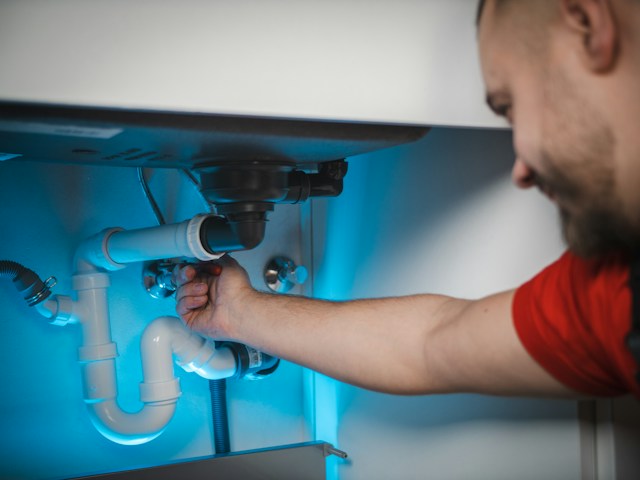
Open the cabinet and look past the cleaning products. You’re watching for dampness, staining, corrosion, or warped wood—even a faint “ring” on the cabinet floor can mean a slow leak. Feel the shutoff valves and supply lines with your hand. If it’s wet, tacky, or smells musty, something’s off. - Around toilets:
Toilets are sneaky because leaks often show up as subtle movement and moisture. Check for a wobble (toilet shifting when you sit/lean), moisture at the base, or discoloration around the caulk line. If the floor feels soft near the toilet, that’s a red flag—water may have been there longer than you realize. - Water heater area:
Stand in front of the tank and look closely. Watch for rusting, puddling, mineral buildup, or moisture around the temperature/pressure relief (T&P) valve pipe. Also look at the floor pan (if you have one) and nearby walls for signs of slow seepage. A water heater rarely gives a dramatic warning—small clues matter. - Ceilings and walls:
Scan ceilings under bathrooms, laundry rooms, and kitchens. New spots, yellowing stains, bubbling paint, or wall swelling are never “just cosmetic.” They’re often the first visible evidence of hidden moisture in a ceiling cavity or behind drywall.
Quarterly tasks that prevent expensive emergencies
Quarterly checks are where you catch the “it’s working… until it isn’t” situations. Think of these as your prevention power moves—simple, practical, and high-impact.
- Test your sump pump (safely):
If you have a sump pump, test it every few months. The safe method is typically pouring a bucket of water into the sump pit until the float lifts and the pump activates. You’re verifying that it turns on, drains efficiently, and shuts off properly. If it hesitates, sounds strained, or runs nonstop, don’t ignore it—those are warning signs. (If you’re unsure how to test your specific setup, a professional can check it quickly.) - Check hoses and connections (washer, dishwasher, fridge):
These supply lines handle steady pressure and frequent vibration—both can lead to failure over time. Look for:
- Cracks, bulges, kinks, or corrosion at connection points
- Moisture around the valve or behind the appliance
- “Old rubber hose” setups, which are higher risk than braided lines
- Clean and inspect gutters and downspouts:
When gutters clog, water doesn’t politely fall straight down—it backs up and finds weaknesses at roof edges, fascia, siding, and foundations. Make sure gutters are clear, downspouts are attached, and water is moving away from the home, not pooling near the base. - Check caulk/grout in showers and tubs:
Caulk and grout aren’t just for looks—they’re part of your moisture barrier system. Look for:
- Cracking, missing sections, or peeling caulk
- Grout that’s crumbling or darkening
- Soft drywall near tub edges or shower corners
Annual maintenance to schedule
Annual checks are your “future-proofing” layer—especially after harsh winters and heavy spring rain. Schedule these once a year and you dramatically reduce surprise water events.
- Roof inspection or professional evaluation (especially after tough winters):
Michigan winter conditions can punish roofs. A yearly check helps catch:
- Loose or missing shingles
- Failing flashing around vents/chimneys
- Ventilation issues that contribute to condensation and ice dams
Even a small flashing issue can lead to slow attic leaks that aren’t obvious until stains show up months later.
- Plumbing inspection if your home is older or you’ve had leaks before:
Older homes and repeat-leak homes benefit from proactive inspection. A plumber can identify:
- Corroded pipes or fittings
- Failing shutoff valves
- Weak supply lines and connection points
- Small leaks that haven’t surfaced yet
- Water heater assessment (don’t wait for failure):
Water heaters are one of the most common “suddenly we have a flood” sources. Review:
- Age considerations: older tanks are higher risk
- Sediment signs: rumbling noises, reduced efficiency, inconsistent hot water
- Replacement timing: swapping before failure is typically cheaper and far less disruptive than emergency cleanup after a leak
Smart Upgrades That Reduce Water Damage Risk in 2026
Upgrading supply lines and shutoffs
This is one of the simplest upgrades with one of the biggest payoffs. Many water disasters start with a supply line that was “fine yesterday.”
- Replace old hoses with braided steel lines where appropriate (washer, dishwasher, sinks, toilets).
- Label shutoff valves and make sure they actually turn. A shutoff that’s stuck during an emergency is essentially useless.
- If your shutoffs are corroded or hard to reach, consider updating to more accessible shutoff solutions—because in a real leak, seconds matter.
Leak detection technology
Leak detection is the “smoke detector” mindset for water—small investment, huge peace of mind.
Low-cost leak alarms (easy wins):
- Put them under sinks, near the water heater, and near the sump pump.
- They alert you as soon as water hits the sensor—before damage spreads.
Whole-home smart leak detection with automatic shutoff (big protection):
- These systems can detect abnormal flow and shut off water automatically.
- Best fit for:
- Frequent travelers
- Second homes
- Homes with finished basements
- Anyone who wants protection when they’re asleep or away
Sump pump and backup options
If your basement has a sump pump, it’s not enough for it to work most of the time. It needs to work during the worst time—heavy rain, melting snow, power fluctuations, and high groundwater.
- Why a battery backup matters:
Storms can knock out power at the exact moment your sump pump is needed most. A backup helps keep water from rising when the primary pump can’t run. - Red flags your sump system needs attention:
- Frequent cycling (turning on and off constantly)
- Loud noises or grinding sounds
- Constant running
- Water rising despite pump operation
Any of these can signal wear, blockages, float issues, or an overwhelmed system.
Drainage and grading improvements
A lot of “mysterious basement moisture” is actually outdoor water management in disguise.
- Downspout extensions:
Make sure water is being directed away from the foundation—not dumped next to it. - Why soil grading matters:
The ground around your home should slope away so rain and snowmelt don’t funnel toward your foundation. - Window well covers and basement entry points:
Window wells can collect water like a bucket. Covers and drainage improvements help prevent seepage through basement windows and frames.
A Safer Home in 2026 Starts With Stopping Water Before It Spreads
If there’s one takeaway to carry into 2026, it’s this: most water damage doesn’t come out of nowhere—it builds. It starts with the small stuff people brush off because life is busy: a faint stain that “probably isn’t anything,” a musty smell that comes and goes, a drip you plan to fix this weekend, or a sump pump that hasn’t been tested since you moved in. The good news is that those early signals are also your biggest advantage. When you treat them like warnings instead of inconveniences, you can usually stop a water problem before it becomes a restoration-level event.
Need Water Damage Help Fast? Call Titus Contracting 24/7


.jpg)
