
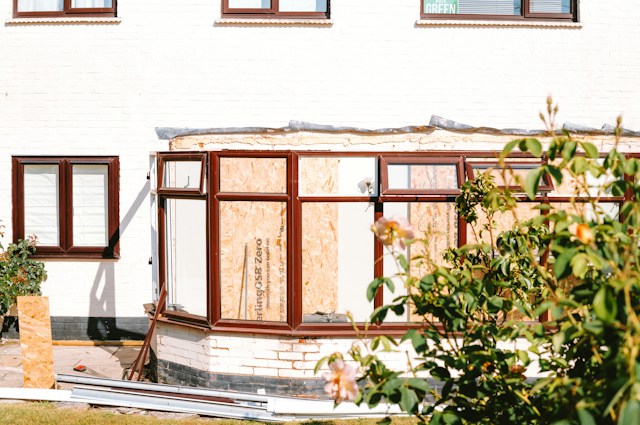
Delaying summer storm damage repairs into fall can allow minor roof, siding, gutter, and moisture problems to spread into more extensive damage. Addressing storm damage before winter can reduce repair costs, simplify insurance documentation, and protect the home from freeze-thaw conditions.
If a summer storm left its mark on your home and the repairs are still sitting on your to-do list, you're not alone. Life gets busy. Maybe you were waiting on an adjuster, maybe the damage looked minor, or maybe it just got buried under everything else going on. Whatever the reason, it happens to a lot of homeowners across Shelby Township, Rochester, and the surrounding areas every single year.
Here's the part that catches people off guard: damage that felt manageable in July doesn't stay that way once fall arrives. Cooler temperatures, shifting moisture, and seasonal scheduling all work against you the longer repairs wait. Understanding why that shift happens can help you make a smarter call about timing, before the window to act easily closes.
Storm damage isn't always dramatic. Sometimes it's a handful of missing shingles, a soft spot near a vent, or gutters that pulled slightly away from the fascia. None of that looks urgent from the ground, which is exactly why it gets overlooked.
Common storm damage that tends to get missed includes:
We understand why repairs get pushed back. Summer is often the busiest season for families, and storm damage isn't always at the top of the priority list when it doesn't look severe. Insurance paperwork can also feel overwhelming, especially if you're not sure what your policy covers or how to document the damage properly.
Some of the most common reasons we hear for delayed repairs include:
Michigan's fall weather brings a specific kind of stress to a home that summer doesn't. Daytime temperatures can still climb into the 60s while nights dip closer to freezing. That daily swing causes materials to expand and contract, and any existing crack or gap becomes an easier entry point for moisture.
Trapped summer moisture also becomes more of a problem as the weather cools. Warm, humid air inside a damaged wall or attic space doesn't dry out the way it might in open summer airflow. Instead, it sits, and that's when mold conditions start to develop. What began as water intrusion in July can turn into a mold remediation issue by the time October rolls around.
Insurance companies pay close attention to timing. A claim filed months after a storm can raise questions that a claim filed within days simply doesn't face. Adjusters may want to understand why the damage wasn't reported sooner, and they may look more closely at whether new damage has developed since the storm occurred.
This doesn't mean a late claim can't be handled well. It means the documentation needs to be more thorough, and the timeline needs to be explained clearly. Working with a team that regularly communicates with insurance adjusters makes a real difference here, especially when the original storm event is no longer recent news.
Storm damage repair schedules fill up fast in the fall, and for good reason. Homeowners across the region start prioritizing pre-winter projects all at once, from roofing to gutter repair to sealing up exterior gaps. That seasonal rush affects availability for everyone, including repairs that have been on a waiting list since summer.
Here's what tends to happen as fall progresses:
The biggest risk with delayed storm repairs isn't just inflation on materials or labor. It's scope. A small roof leak that would have been a straightforward shingle repair in August can require deck replacement and interior drywall work by November. The job doesn't just cost more. It becomes a different, larger job entirely.
One of the most common things we hear from homeowners is some version of, "It's probably just cosmetic." We understand the instinct. Nobody wants to overreact to a few missing shingles or a small dent in the siding. But cosmetic damage and structural damage don't always look different from the outside.
Some signs that storm damage may be more serious than it appears include:
Getting ahead of fall doesn't require an overwhelming process. It starts with a free inspection, which gives you a clear picture of what's actually going on before you have to make any decisions. There's no pressure and no guesswork involved, just a straightforward assessment from someone who knows what to look for.
Paul, who leads Titus Contracting Group, is known for being hands-on and direct with homeowners throughout that process. Reviews consistently point to his communication and follow-through, which matters most when you're trying to understand a problem you can't fully see yourself. You deserve a clear explanation, not just a quote.
Insurance claims are often the part homeowners dread most, and for good reason. The paperwork can be confusing, and it's not always clear what documentation an adjuster actually needs. This is where having an experienced team on your side makes the biggest difference.
Here's how that support typically looks in practice:
There's a real difference between a quick patch and a full restoration. A patch might stop a leak temporarily, but it doesn't address what's happening underneath the surface. Full restoration means identifying every affected area, addressing moisture and structural concerns, and completing the work through a final walkthrough.
That distinction matters most with storm damage, because so much of it happens out of sight. A roof repair that only replaces visible shingles without checking the decking underneath can leave hidden problems in place. Doing it right the first time is almost always less costly than doing it twice.
This isn't about creating panic over a few missing shingles or a small water stain. It's about recognizing that the window to address summer storm damage easily and affordably is closing as the seasons change. What's a manageable repair today can become a much larger project once freeze-thaw cycles and trapped moisture have time to work.
Taking care of it now means fewer surprises later, a smoother insurance process, and a home that's genuinely ready for whatever winter brings. You don't need to have all the answers before reaching out. You just need someone who can help you figure out where things actually stand.
If summer storm damage has been sitting on your list, now is the time to get it looked at. A free inspection takes the guesswork out of the equation and gives you a clear next step, whether that's a simple repair or a full insurance-backed restoration.
📞 (586) 610-8608 🔗 tituscontractinggroup.com 📷 Instagram: @titusrestorationgroup
Discover the latest strategies for effective water damage restoration and how our 24/7 emergency response can safeguard your home.
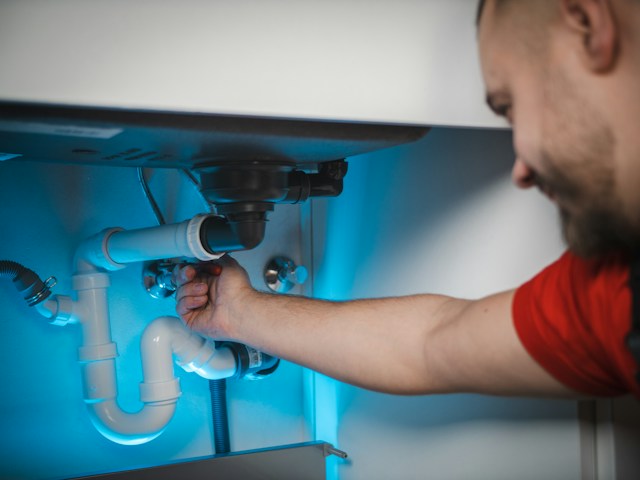
Michigan’s first freeze can expose hidden plumbing and foundation vulnerabilities, including uninsulated pipes, drainage problems, and existing cracks. Preparing these areas before temperatures drop can help prevent burst pipes, moisture intrusion, and costly winter damage.
.jpg)
A fall home inspection can uncover roof, gutter, foundation, plumbing, attic, and wildlife issues before Michigan’s winter weather makes them worse. Addressing small problems before freezing temperatures arrive can help prevent water damage, frozen pipes, structural concerns, and costly repairs.

Bathroom problems can range from isolated fixture issues to hidden water damage, mold, or aging infrastructure that requires a larger renovation. Knowing the warning signs of each can help homeowners avoid unnecessary remodeling while addressing serious problems before they spread.
