
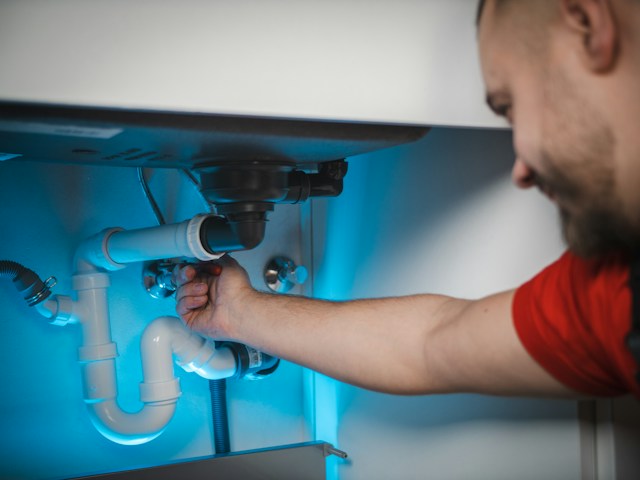
Michigan’s first freeze can expose hidden plumbing and foundation vulnerabilities, including uninsulated pipes, drainage problems, and existing cracks. Preparing these areas before temperatures drop can help prevent burst pipes, moisture intrusion, and costly winter damage.
Every year, the first hard freeze catches Michigan homeowners off guard. One week it's fifty degrees and raining. The next, pipes are groaning and the ground has gone rigid overnight. That sudden shift is exactly why the first freeze causes more damage than people expect.
Most freeze-related problems aren't sudden events. They're the result of small vulnerabilities that sat unnoticed all fall: a hairline foundation crack, an exposed pipe in an unheated crawl space, a downspout draining right next to the house. The cold doesn't create these problems. It exposes them.
This post walks through what actually happens to your plumbing and foundation when temperatures drop fast, and what's worth checking before winter settles in for good.
Michigan doesn't ease into winter. The transition from fall to freezing often happens in a matter of days, sometimes hours. That speed matters more than most homeowners realize.
When the ground freezes gradually, moisture has time to redistribute and pressure builds slowly. When it freezes fast, water gets trapped in place. This applies underground and inside your walls, which is part of why the first hard freeze of the season tends to be more damaging than a cold snap in January. The soil hasn't adjusted yet. Neither has your plumbing.
A lot happens at once during that first freeze, and most of it is invisible from inside the house. Understanding the mechanics helps explain why prevention matters so much this time of year.
Here's what's typically happening simultaneously:
Not all plumbing is created equal when it comes to freeze risk. Pipes that run through conditioned living space are generally fine. The ones that aren't protected by consistent indoor heat are a different story.
Common trouble spots include:
Many homeowners don't realize these areas exist as separate risk zones until a pipe has already frozen. By then, the fix is far more involved than a simple insulation wrap would have been.
A burst pipe is sudden. That distinction matters more than people expect when it comes to insurance. Sudden, accidental water damage is typically covered. Damage that developed slowly, from a pipe that was known to freeze repeatedly or from neglected exterior plumbing, gets scrutinized much more closely.
This is where documentation and timing start to matter. Insurers want to understand what happened, when, and whether reasonable prevention steps were taken beforehand. We work directly with insurance adjusters on claims like this regularly, and the homeowners who fare best are usually the ones who addressed obvious risk points before the freeze hit, not after.
Foundations move seasonally, and a small amount of movement is normal. The issue is that freeze-thaw cycling can turn a minor, cosmetic crack into a structural entry point for water and cold air. Fall is the last easy window to catch these before the ground locks up.
Worth checking and documenting now, while everything is still visible and accessible:
Water pooling near your foundation in October is an inconvenience. That same water, still sitting there in December, becomes a frozen wedge pushing against your foundation wall. Grading and drainage issues that seem minor in fall often turn into real problems by midwinter.
A few things worth a quick walk-around:
Most freeze prevention is straightforward and doesn't require special tools or expertise. It just requires actually doing it before the temperature drops, not after.
A reasonable pre-freeze checklist looks like this:
Some things genuinely are within reach for a motivated homeowner on a Saturday afternoon. Others aren't, and that's not a reflection on anyone's handiness. Certain types of damage are simply invisible until they've already become expensive.
Structural cracking, moisture trapped behind walls, and pipe pressure issues in hard-to-reach areas often fall into this category. A wall can look fine on the surface while moisture is already working its way through insulation and framing behind it. This is where a professional inspection earns its value, not by finding problems that don't exist, but by catching the ones you genuinely can't see. We offer free inspections for exactly this reason. There's no cost to finding out where you actually stand before winter takes the decision out of your hands.
Some signs are easy to dismiss because they seem minor on their own. A slightly musty smell. A basement wall that feels damp but isn't visibly wet. A door that suddenly doesn't close the way it used to. Individually, none of these seem urgent. Together, they often point to something worth a second look.
Signs worth taking seriously before the ground freezes:
Michigan winters aren't gentle, and they don't wait for homeowners to catch up. The good news is that most freeze-related plumbing and foundation damage traces back to a handful of predictable, preventable issues. Catching them now costs a fraction of what it costs to fix a burst pipe or a compromised foundation wall in the middle of January.
Prevention isn't about doing everything perfectly. It's about walking through your home once with a clear checklist, addressing what you can, and getting a professional set of eyes on what you can't. That single afternoon of effort is usually the difference between a calm winter and a stressful one.
If you've walked through this checklist and found a few things worth a closer look, or if you'd simply rather have a professional confirm everything is in good shape, we're here for that. Our team offers free inspections across Shelby Township, Rochester, Auburn Hills, Orion Township, and the surrounding Michigan communities we serve. We'll take a real look at your plumbing and foundation before the cold makes small issues harder to fix.
We're also available 24/7 if something turns into an emergency once the freeze hits. Reach out anytime.
📞 (586) 610-8608 🔗 tituscontractinggroup.com 📷 Instagram: @titusrestorationgroup
Discover the latest strategies for effective water damage restoration and how our 24/7 emergency response can safeguard your home.
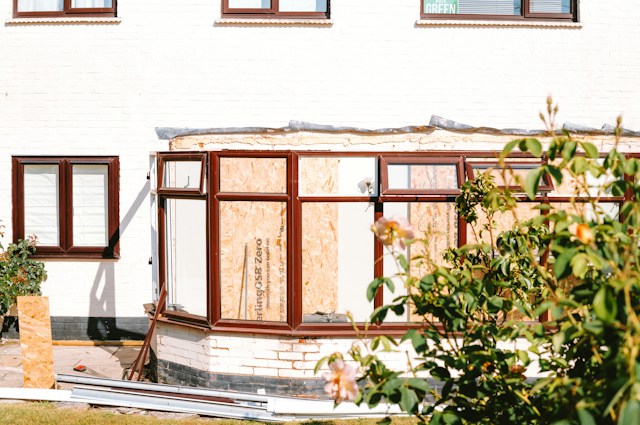
Delaying summer storm damage repairs into fall can allow minor roof, siding, gutter, and moisture problems to spread into more extensive damage. Addressing storm damage before winter can reduce repair costs, simplify insurance documentation, and protect the home from freeze-thaw conditions.
.jpg)
A fall home inspection can uncover roof, gutter, foundation, plumbing, attic, and wildlife issues before Michigan’s winter weather makes them worse. Addressing small problems before freezing temperatures arrive can help prevent water damage, frozen pipes, structural concerns, and costly repairs.
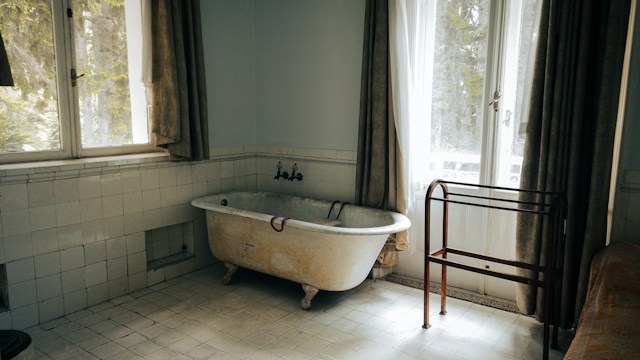
Bathroom problems can range from isolated fixture issues to hidden water damage, mold, or aging infrastructure that requires a larger renovation. Knowing the warning signs of each can help homeowners avoid unnecessary remodeling while addressing serious problems before they spread.
