
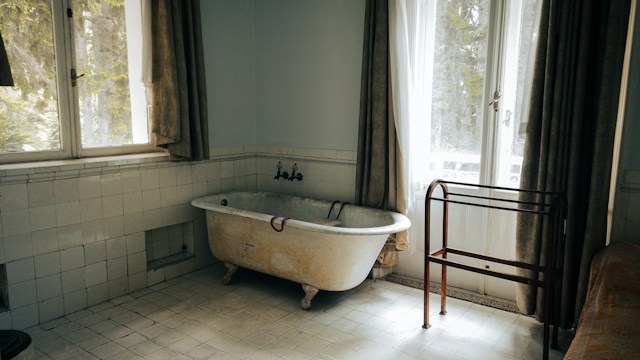
Bathroom problems can range from isolated fixture issues to hidden water damage, mold, or aging infrastructure that requires a larger renovation. Knowing the warning signs of each can help homeowners avoid unnecessary remodeling while addressing serious problems before they spread.
You noticed something off in your bathroom. Maybe it's a stain creeping across the ceiling below, a tile that wiggles when you step on it, or a faucet that's been dripping for weeks. Your first question probably isn't "how do I fix this." It's "how bad is this, really?"
That question matters more than most homeowners realize. Fixing a small issue is quick and affordable. Remodeling a bathroom is a bigger investment of time and money. Guessing wrong in either direction, either underreacting to a serious problem or overspending on a minor one, costs you.
This guide walks through the practical differences between a repair and a remodel, the warning signs that point to each, and what you can check yourself before picking up the phone.
A repair addresses one specific, contained issue. Think of it as targeted maintenance rather than a project.
A remodel changes the bathroom in a more fundamental way. It usually means multiple systems or surfaces are involved at once.
There's also a middle ground worth mentioning. Sometimes what starts as a repair conversation turns into a remodel recommendation once a contractor opens things up. This isn't a sales tactic when it's done honestly. It's simply what happens when a small visible problem turns out to have a bigger cause underneath. A good contractor will show you what they found, not just tell you.
If the problem is confined to one fixture or one small area, that's a good sign. A single cracked tile surrounded by solid, dry tile is very different from cracking that spreads across a wall. The same goes for a leak you can trace to one clear source, like a worn washer in a faucet.
Take a step back and look at the rest of the room. If everything else drains properly, the floor feels solid throughout, and there's no musty smell or staining elsewhere, the issue you're seeing is probably exactly what it looks like.
This matters because it tells you the damage hasn't had time or opportunity to spread. A faucet that started dripping last week and a floor that's been soft for six months are two very different situations, even if they seem similar on the surface. Recent, contained problems are almost always easier and cheaper to resolve.
Quick signs it's likely a repair:
Water damage rarely stays where it starts. If you notice soft or spongy flooring, a musty smell that won't go away, or discoloration on the ceiling below the bathroom, water has likely been moving through the structure for a while. What's visible on the surface is often just a fraction of the actual damage.
Mold is particularly deceptive because it thrives in places you can't see: inside wall cavities, under vinyl flooring, beneath the tub surround. By the time it's visible on a wall or ceiling, it has usually been growing behind that surface for weeks or longer. A musty smell without an obvious source is one of the more reliable signals that something is happening out of view.
Older homes in Michigan often have plumbing, subflooring, or wiring that's reaching the end of its useful life. If your bathroom is original to a home built decades ago, a single repair might reveal aging materials underneath that need broader attention.
A slow drain, a faint hum from an old fan, or a slightly uneven floor can all be early indicators. On their own, none of these feel urgent. Together, especially in an older home, they suggest the bathroom's underlying systems may be due for more than a spot fix.
If you've patched the same leak, recaulked the same tub, or replaced the same section of tile more than once, that's a pattern worth paying attention to. Recurring issues in the same spot usually mean the root cause hasn't actually been addressed.
A repair that doesn't hold is information, not bad luck. It usually means the original fix treated a symptom rather than the source, whether that's a slow leak inside a wall, a failing seal, or moisture with nowhere to properly drain. The second or third repair attempt is often the point where a broader look becomes worthwhile.
Myth vs. Fact
Myth: "It's just a small leak, so it's always a simple repair."
Fact: A small leak that keeps returning, or one near flooring and drywall, can be a sign of ongoing moisture intrusion. The visible drip is often the smallest part of the problem.
Walk through your bathroom slowly and pay attention to details you might normally overlook.
Some things simply aren't visible without opening up a wall or floor. Behind-the-scenes moisture, deteriorating subfloor, and plumbing line condition all require a trained eye and, often, specific tools. This is where a professional inspection becomes genuinely useful rather than optional.
Moisture meters, for example, can detect dampness inside a wall long before it shows up as a stain. Thermal imaging can spot temperature differences that point to hidden leaks. These tools don't replace your own observations, but they answer the questions your eyes and nose simply can't.
Simple self-check list:
Here's the truth: most homeowners can't tell the difference between a repair and a remodel just by looking at a stain or a soft tile. That's not a knock on your instincts. It's simply not something you can diagnose from the surface, and that's normal.
The smartest move isn't to guess and hope. It's getting an honest, professional opinion before you spend money in either direction. A clear assessment protects your budget and your home, whether the answer turns out to be simple or significant.
Titus Contracting Group offers free inspections specifically so homeowners can get clarity before committing to anything. Paul, the owner, walks through the findings with you directly, explaining exactly what's going on and what your realistic options are. No guesswork, no upsell pressure, just a clear picture of what your bathroom actually needs.
Whether it turns out to be a quick repair or a full remodel, you'll know before you spend a dollar.
📞 (586) 610-8608 🔗 tituscontractinggroup.com 📷 Instagram: @titusrestorationgroup
Discover the latest strategies for effective water damage restoration and how our 24/7 emergency response can safeguard your home.
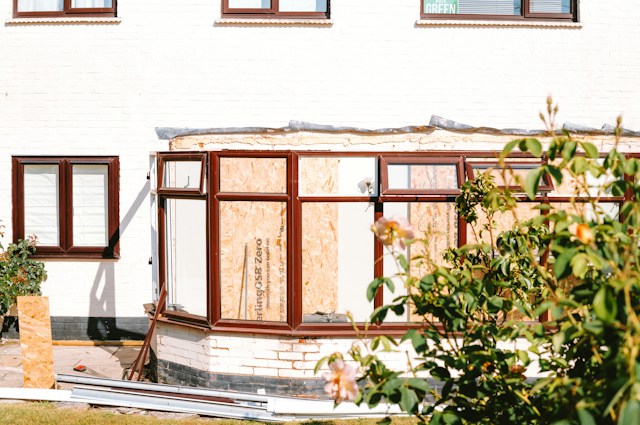
Delaying summer storm damage repairs into fall can allow minor roof, siding, gutter, and moisture problems to spread into more extensive damage. Addressing storm damage before winter can reduce repair costs, simplify insurance documentation, and protect the home from freeze-thaw conditions.
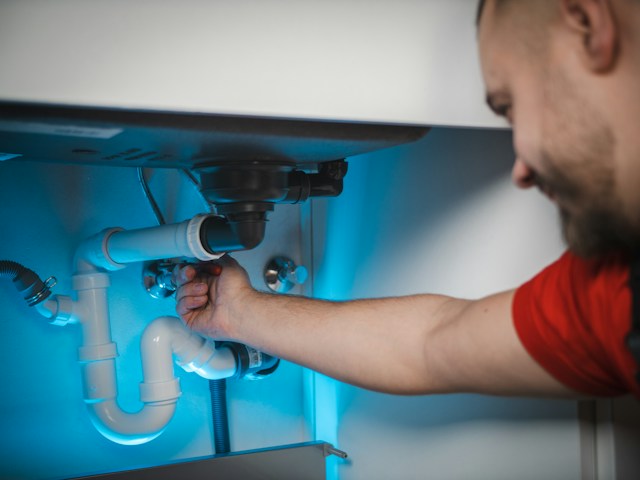
Michigan’s first freeze can expose hidden plumbing and foundation vulnerabilities, including uninsulated pipes, drainage problems, and existing cracks. Preparing these areas before temperatures drop can help prevent burst pipes, moisture intrusion, and costly winter damage.
.jpg)
A fall home inspection can uncover roof, gutter, foundation, plumbing, attic, and wildlife issues before Michigan’s winter weather makes them worse. Addressing small problems before freezing temperatures arrive can help prevent water damage, frozen pipes, structural concerns, and costly repairs.
