
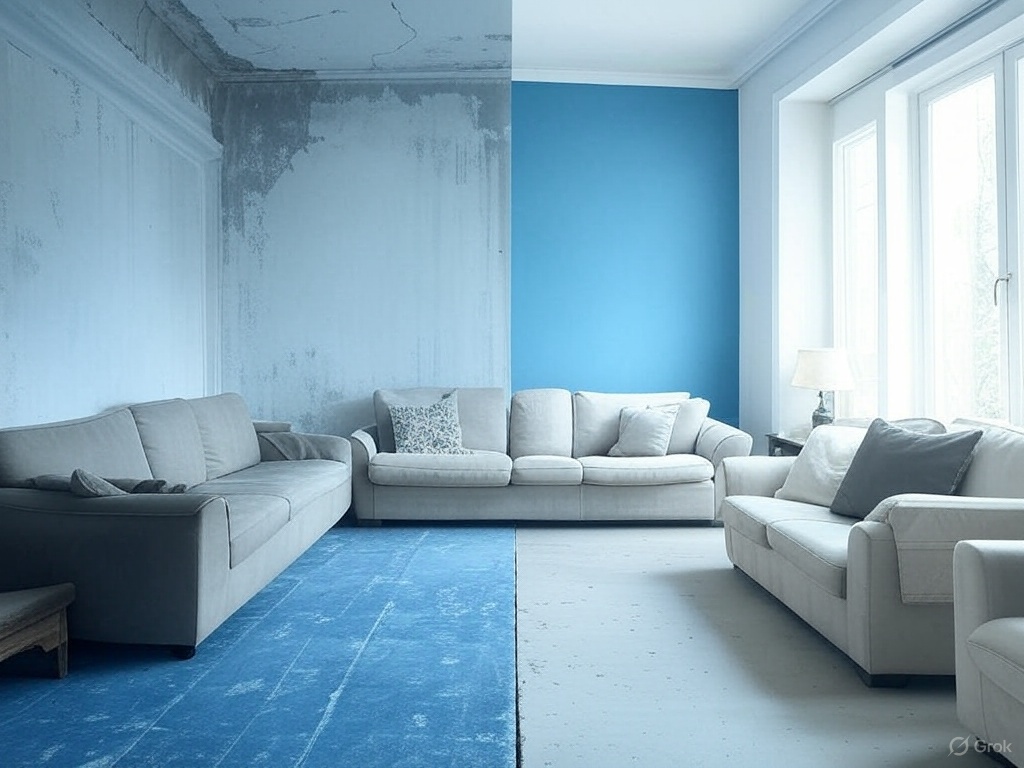
When water damage hits your property, it’s easy to focus on what you can see—wet floors, standing water, stained walls. Basic water cleanup takes care of surface-level moisture, but structural drying goes much deeper. It targets the hidden moisture inside your framing, subfloors, wall cavities, and ceilings that regular fans and shop vacs simply can’t reach.
Structural elements are like the bones of your home or business. When they stay wet, they begin to swell, warp, rot, and grow mold. Even if surfaces look dry, moisture trapped behind drywall or under flooring can slowly compromise the strength of your building and damage finishes over time. That’s why true recovery after a water event means more than mopping and airing things out—it means scientifically controlled drying of the structure itself.
Titus Contracting specializes in professional structural drying services for homes and businesses across Michigan. Using commercial-grade equipment, moisture detection tools, and proven drying protocols, our team makes sure your property is restored from the inside out—not just on the surface. We work quickly, safely, and thoroughly to prevent mold growth, protect structural integrity, and get you back to normal as soon as possible.
24/7 availability for urgent water damage calls
Water damage doesn’t wait for business hours, and neither do we. Our team responds around the clock so drying can begin as soon as possible—reducing the risk of mold and structural damage.
On-site evaluation of the affected areas and source of water
We inspect all impacted areas, including basements, walls, ceilings, and hidden cavities. At the same time, we identify and help stop the source of water if it’s still active.
Determining water category (clean, gray, black) and safety concerns
Not all water is the same. We classify it as:
This classification dictates how aggressively materials need to be cleaned, dried, or removed to keep your home safe.
Professional extraction equipment to remove standing water
We deploy high-powered pumps and extractors to remove pooled water from floors, carpets, and lower-level areas. The more water we extract up front, the faster—and more effective—the structural drying will be.
Moisture meters, thermal imaging, and hygrometers to detect hidden moisture
Water likes to travel. Using specialized tools, we track where moisture has migrated:
Creating a structural drying plan based on moisture readings and materials
Different materials dry at different speeds and require different strategies. We build a customized drying plan that targets the wettest areas first while protecting sensitive materials and finishes.
Placement of air movers, axial fans, and dehumidifiers
We position commercial-grade air movers and dehumidifiers to create controlled airflow and humidity reduction. This combination pulls moisture out of building materials and into the air, then removes it from the environment.
Directional airflow to dry wall cavities, subfloors, and structural components
Our technicians angle airflow to push dry air across wet surfaces and into hidden spaces, including:
Adjusting equipment layout to maximize efficiency and reduce dry time
Equipment isn’t just “set and forget.” We arrange it strategically to avoid dead spots and ensure even drying across all affected areas.
Drying subfloors, sill plates, joists, and framing
These structural members may be out of sight, but they’re critical to the safety and strength of your property. We ensure they are dried to safe moisture levels to prevent rot, warping, and long-term damage.
Wall cavity drying using specialized systems (e.g., injectors or wall cavity drying systems)
When walls are wet but structurally sound, we can often dry them in place using:
Ceiling and attic structural drying, including insulation evaluation/removal when needed
Ceiling and attic moisture is especially dangerous due to collapse risk and mold potential. We:
Daily moisture readings and humidity checks
We return regularly to:
Adjusting equipment, airflow, and containment as materials dry
As conditions change, we reposition air movers, adjust dehumidifier settings, and modify containment barriers to keep drying efficient and targeted.
Documenting progress for transparency and insurance purposes
Every reading, adjustment, and milestone is documented. This record:
Confirming materials reach safe, dry standards
Using industry-accepted moisture benchmarks, we verify that all affected building materials have returned to acceptable dryness levels. No “it feels dry” guesswork—just real measurements.
Final inspection for structural integrity and odor issues
We inspect for:
Providing detailed reports and photos for insurance claims and homeowner records
You receive:
This documentation is extremely valuable for insurance adjusters and for your own records if you ever sell or remodel the property.
Several key variables affect how quickly your structure can be dried:
While exact times vary, here are common ranges:
Structural drying isn’t a luxury—it’s a necessity for any home or business that has suffered water damage. Skipping or rushing this step leaves hidden moisture trapped in your walls, subfloors, and framing, which can eventually lead to mold, rot, and costly repairs. Proper structural drying protects the very foundation of your building, keeping your framing stable, your air quality healthy, and your property safe for years to come.
At Titus Contracting, we take a science-based approach to every job. Our technicians use state-of-the-art drying equipment, moisture mapping tools, and proven methods to ensure every inch of your property is thoroughly and safely restored. By doing the job right the first time, you avoid future damage, unnecessary expenses, and the stress of lingering water issues.
