
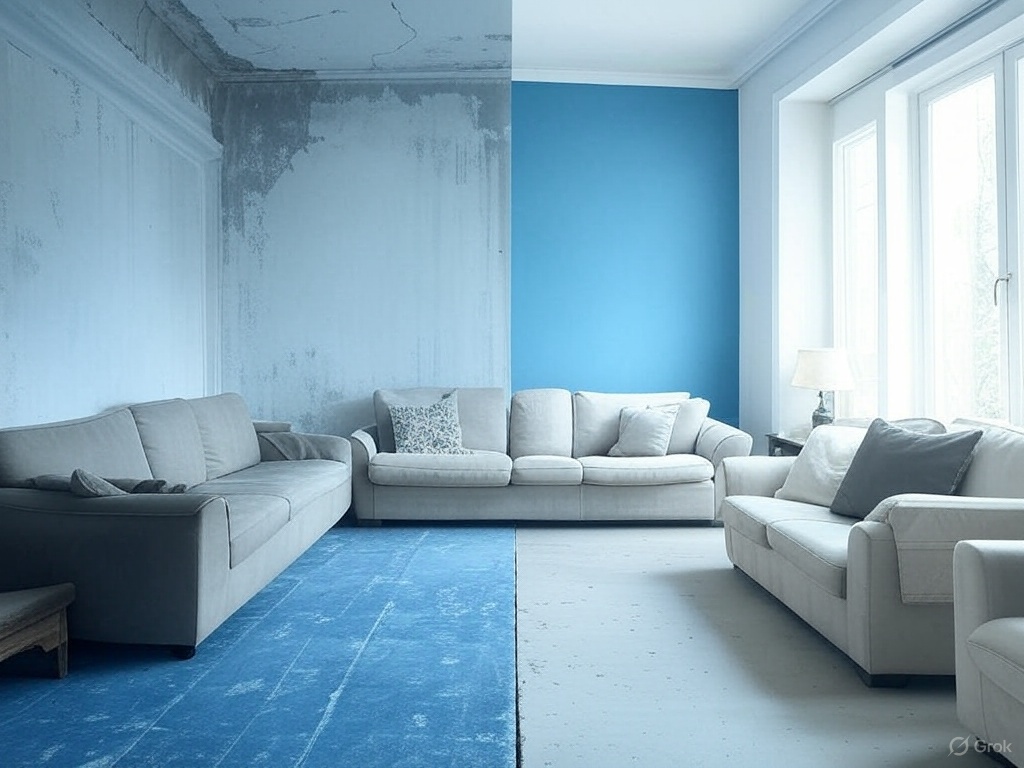
A sewage backup can turn your home upside down in a matter of minutes. One toilet overflow, a blocked main line, or a broken drain in the basement, and suddenly you’re looking at contaminated water on your floors, powerful odors you can’t ignore, and a sinking feeling about what’s been touched or ruined. Spaces that felt safe just hours earlier now feel hazardous and off-limits.
Sewage is far more than “dirty water.” It carries bacteria, viruses, parasites, and chemical contaminants that require specialized cleaning methods, protective equipment, and strict safety protocols. Even a small backup can spread pathogens across flooring, into wall materials, and onto personal belongings—creating a health risk that simple mops and household cleaners just aren’t designed to handle.
Rapid, professional sewage cleanup is essential to protect your household. Proper remediation removes contaminated water, safely disposes of ruined materials, thoroughly disinfects affected surfaces, and sets up drying to prevent mold growth and long-term structural damage. The goal is not just to “clean up the mess,” but to restore a safe, sanitary environment you can confidently live in again.
Titus Restoration is a local, trusted 24/7 sewage cleanup team serving Bruce Township and surrounding Michigan communities. We respond quickly with emergency extraction, thorough decontamination, structural drying, and full repair services so your home can move from hazardous and overwhelming back to clean, dry, and healthy.
In restoration, water damage is classified by contamination level, and sewage is always treated as Category 3 “black water.” This is the highest contamination level because the water has come into contact with human waste and potentially with soil, animal waste, and a wide range of household chemicals.
Category 3 black water is considered inherently hazardous because it can carry:
Because of this, every sewage event is handled with stringent safety protocols. Technicians must use proper PPE (personal protective equipment), containment, and disinfection procedures to protect themselves and the household. This includes waterproof boots, gloves, respirators, and protective suits, along with carefully chosen, EPA-registered disinfectants and strict handling of contaminated debris.
Not everything touched by sewage automatically has to be thrown away, but it does need to be evaluated carefully. In general, non-porous or very minimally affected items have the best chance of being cleaned and safely reused.
Materials that can sometimes be salvaged include:
In these cases, the focus is on complete physical cleaning followed by proper disinfection. If an item can’t be fully accessed, scrubbed, and sanitized—inside and out—it may still need to be discarded.
Porous materials are a different story. When they come into direct contact with sewage, they tend to absorb contamination deep into their structure, where it can’t be fully cleaned or reliably disinfected. Keeping these materials in place can allow bacteria, odors, and moisture to linger.
Materials that almost always need removal after direct sewage exposure include:
Sewage backups don’t wait for business hours, and they can’t be safely postponed. Titus Restoration provides around-the-clock availability so you can get help on the way as soon as you discover the problem.
When our team arrives, we start with a focused on-site assessment that includes:
Before we remove a single gallon of water, we work to keep contamination from spreading.
This includes:
Once containment and safety measures are in place, we begin removing the contaminated water and waste.
Our extraction and removal process involves:
With the bulk of the sewage removed, we address the building materials that have absorbed contamination and cannot be safely restored.
This often includes:
After unsalvageable materials are out, we focus on making the remaining structure clean and safe.
This step includes:
Once contaminated materials and gross water are removed—and surfaces have been disinfected—we shift to drying the structure.
Our drying phase involves:
We emphasize that drying follows disinfection, not the other way around—this sequence helps prevent spreading contaminants through moving air and ensures that the water being evaporated has already been properly treated.
Even after thorough cleaning and drying, sewage events can leave behind strong odors and impacted air quality. We address these issues directly.
Our odor and air quality measures include:
A sewage backup doesn’t just leave behind an unpleasant mess—it introduces serious health hazards and puts your home’s structure at risk. Professional sewage cleanup protects both your family and your property by removing hazardous contamination, thoroughly disinfecting affected areas, and ensuring that hidden moisture doesn’t quietly turn into mold or long-term structural damage. When the work is done correctly, you’re not just left with a room that looks better; you’re left with a home that is genuinely safer and healthier to live in.
If you’re seeing signs of a sewage backup, smelling strong sewer odors, or noticing contaminated water in your basement, bathroom, or utility room, don’t wait and hope it resolves on its own. The sooner you act, the more effectively we can protect your health, salvage materials, and limit damage.
Titus Restoration
Phone: (586) 371-5144
Email: titusrestores@gmail.com
Address: 72755 Van Dyke Rd, Bruce Township, MI 48065
Website: https://titusrestore.com/
