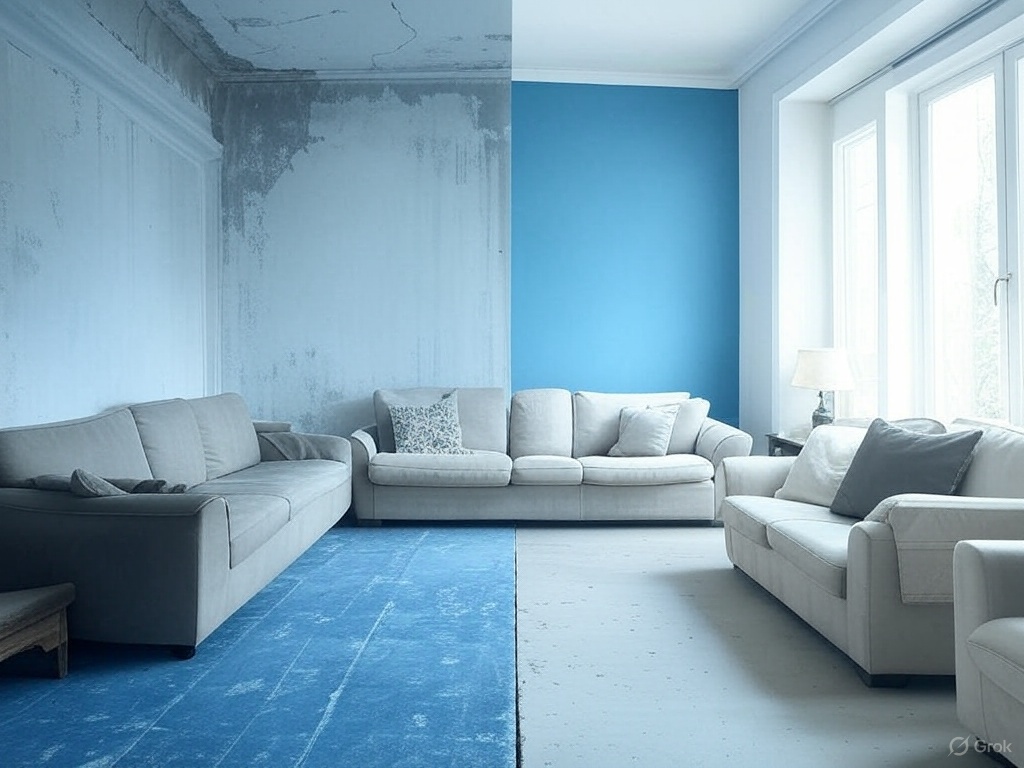
Fire and Water Damage Restoration in Bruce Township, MI

Fire and Water Damage Restoration in Bruce Township, MI

A house can feel completely different in a matter of minutes. One small fire on the stove, an electrical short, or a burst pipe discovered too late—and suddenly everything is upside down. There’s soot on walls and ceilings, water pooling on the floors, and a heavy smell of smoke hanging in the air. Firefighters may have done exactly what was needed to save the structure, but between the flames, smoke, and water, your home no longer feels like a safe place to be.

Fire and water together create a unique kind of damage. You’re not just dealing with burned materials and heavy soot; you’re also facing large volumes of water that have soaked into walls, flooring, cabinets, and personal belongings. The surfaces you can see are only part of the story. Beyond the visible charring and puddles, there may be hidden structural weakness, trapped moisture inside building materials, and contaminated air from smoke, soot, and microbial growth.

That’s why rapid, professional cleanup is so important. Stabilizing the structure, safely removing debris, extracting water, drying the building, and cleaning soot and smoke residues must happen in a careful, coordinated way. Done right, this process helps prevent mold growth, long-term structural damage, and lingering odors that can keep your home from feeling livable.

Our Fire and Water Damage Restoration Process

Every fire and water loss is different, but the backbone of a successful recovery is a clear, methodical process. At Titus Restoration, we follow a structured plan that starts with emergency response and carries through to careful drying, cleaning, and reconstruction.

24/7 Emergency Response and Site Stabilization

Disasters don’t run on a schedule, so we don’t either.

  • We offer around-the-clock availability for fire and water emergencies, including nights, weekends, and holidays.

When our team arrives on-site, we begin with stabilization and safety:

  • On-site safety assessment and hazard identification, looking for:
    • Structural damage in walls, ceilings, and floors
    • Electrical hazards, exposed wiring, or compromised panels
    • Air quality concerns from smoke, soot, and lingering fumes
  • Coordinating with fire officials and utility companies if needed, ensuring gas, electric, and water services are handled properly before work proceeds.

Board-Up, Tarping, and Property Security

Fire often leaves homes exposed—broken windows, damaged doors, and roof openings that invite in weather, animals, and unwanted visitors.

We move quickly to:

  • Provide emergency board-up for:
    • Broken windows and doors
    • Damaged entry points and wall openings
  • Install roof tarping over damaged or missing sections to protect against rain, snow, and falling debris.
  • Secure the property to:
    • Prevent additional weather-related damage
    • Deter unauthorized entry while the home is temporarily unoccupied

Water Extraction and Structural Drying

Water from firefighting efforts can cause as much damage as the fire itself if it isn’t handled quickly and thoroughly.

Our water mitigation phase includes:

  • Pumping and extracting standing water from floors, basements, and low-lying areas using professional-grade equipment.
  • Using moisture meters to identify wet materials inside walls, ceilings, subfloors, and framing—not just what looks wet on the surface.

We then set up drying equipment tailored to the situation, including:

  • Commercial air movers to drive airflow across damp surfaces and speed evaporation
  • Dehumidifiers to remove moisture from the air and prevent it from condensing back onto materials

Smoke and Soot Cleanup

Once the structure is drying and stabilized, we tackle the smoke and soot that have traveled throughout the home. Different types of fires create different types of residues, and we adjust our methods accordingly.

We start by:

  • Identifying different types of soot—such as dry, oily, or protein-based residues—and selecting proper cleaning methods and products for each.

Then we carefully clean:

Odor Removal and Air Quality Treatment

Even after visible soot is removed, smoke odors can linger stubbornly. Air quality treatment is a key part of making your home comfortable and healthy again.

We address odors and particulates by:

  • Using specialized odor-control techniques and products—which may include methods like thermal fogging or other approved odor-neutralizing approaches, depending on the situation.
  • Cleaning HVAC components and replacing filters as needed, reducing the chance that smoke odors will continue to circulate through vents and ductwork.
  • Deploying HEPA filtration and air scrubbing equipment to capture fine particles and improve indoor air quality during restoration.

Structural Repairs and Reconstruction

After mitigation and cleanup, the focus shifts to rebuilding the parts of your home that were damaged or removed. This is where the property starts to feel like a home again.

Demolition and Debris Removal

Before new materials can go in, damaged ones have to come out. We perform controlled demolition to remove only what’s necessary while protecting undamaged areas.

This phase typically includes:

  • Safe removal of:
    • Charred framing and structural components that cannot be safely reinforced
    • Burned or water-damaged drywall and insulation that cannot be cleaned or dried effectively
    • Damaged flooring and cabinetry that were destroyed by fire, smoke, or water
  • Proper disposal of debris and materials affected by smoke, soot, and water, following applicable regulations and best practices.

Rebuilding and Structural Repair

With a clean slate, we begin restoring the integrity of the building.

Our rebuilding and structural repair work can include:

  • Reframing damaged walls, ceilings, and roof sections as needed to restore strength and alignment
  • Installing new drywall, insulation, and structural elements, ensuring they are properly integrated with existing undamaged components
  • Verifying code-compliant and structurally sound reconstruction, coordinating inspections when required

Interior Finishes and Cosmetic Restoration

Once the structure is solid, we move on to the finishes you see and touch every day.

Interior restoration often includes:

  • Replacing flooring, such as:
    • Carpet and padding
    • Laminate
    • Vinyl
    • Hardwood or engineered wood
  • Painting and finishing repaired areas to match or improve upon their pre-loss condition, blending new work seamlessly with existing finishes
  • Restoring kitchens, bathrooms, and living spaces with attention to both function and aesthetics, so the spaces work well for your daily life and feel welcoming again

Optional Remodeling and Upgrades

Because reconstruction often involves opening walls and replacing finishes, many homeowners choose to take advantage of the opportunity to make improvements.

During this phase, you may decide to:

  • Update layouts or finishes, such as reconfiguring a kitchen, modernizing a bathroom, or finishing a basement more thoughtfully
  • Improve storage, lighting, or fixtures to better suit your lifestyle and preferences
  • Tie restoration into Titus Restoration’s home and bathroom remodeling services, turning a difficult event into an opportunity to create a more modern, functional space than you had before

Working With Insurance on Fire and Water Damage Claims

Documentation and Estimates

Good documentation supports a smoother claim and helps everyone understand the scope of loss. We assist homeowners by:

  • Helping compile photos, item lists, and damage descriptions, including structural damage and affected contents
  • Providing detailed written estimates for mitigation (emergency services, drying, cleanup) and reconstruction (repairs, finishes, and any necessary rebuilding)
  • Clarifying scope, materials, and timelines so the insurer has a clear picture of what’s needed to restore the home properly

Coordination With Adjusters

When requested, we work directly with your insurance adjuster to explain what we’re seeing on-site and why we recommend certain steps.

This often includes:

  • Meeting adjusters on-site, walking them through damaged areas, and pointing out structural and moisture-related issues that might not be obvious at first glance
  • Explaining recommended work, from demolition and drying to specific repair methods and materials
  • Addressing questions about repair methods and required materials, helping align expectations among you, the adjuster, and our team

Restoring Your Home After Fire and Water Damage

A complete recovery depends on treating the whole picture—not just one piece of it. True fire and water damage restoration means addressing smoke and soot residues, lingering odors, and water intrusion together. Soot must be removed with the right methods to protect surfaces and air quality, while hidden moisture inside walls, ceilings, and floors must be tracked, dried, and verified so mold and rot don’t develop later. When cleaning, drying, structural repairs, and finish work are coordinated as one plan, the result is a home that is safe to live in, comfortable to breathe in, and structurally sound behind the paint and flooring.

Contact Titus Restoration for 24/7 Fire and Water Damage Restoration

Titus Restoration is available day or night to respond when you need us most. We’ll assess the condition of your home, stabilize unsafe areas, begin water removal and drying, and map out a step-by-step path from emergency mitigation to full repair and, if you choose, thoughtful upgrades. You don’t have to navigate fire and water damage alone—our team is here to help you protect your home and move forward with confidence.

Titus Restoration
Phone: (586) 371-5144
Email: titusrestores@gmail.com
Address: 72755 Van Dyke Rd, Bruce Township, MI 48065
Website: https://titusrestore.com/

Get a Free Quote for Your Restoration or Remodeling Project